A fresh wash should leave your vehicle looking bright, not covered in cloudy circles that seem to appear out of nowhere. Water spot prevention is one of the simplest ways to protect that clean-car feeling, especially when Maryland heat, rain, sprinklers, and busy schedules make it hard to dry a vehicle right away.
Those spots are more than a small cosmetic annoyance. Left on the paint, glass, wheels, and trim, mineral deposits can dull the finish and become harder to remove over time. The good news is that a few practical habits, plus the right level of professional care when you need it, can keep your car looking polished between washes.
Why Water Spots Form on Cars
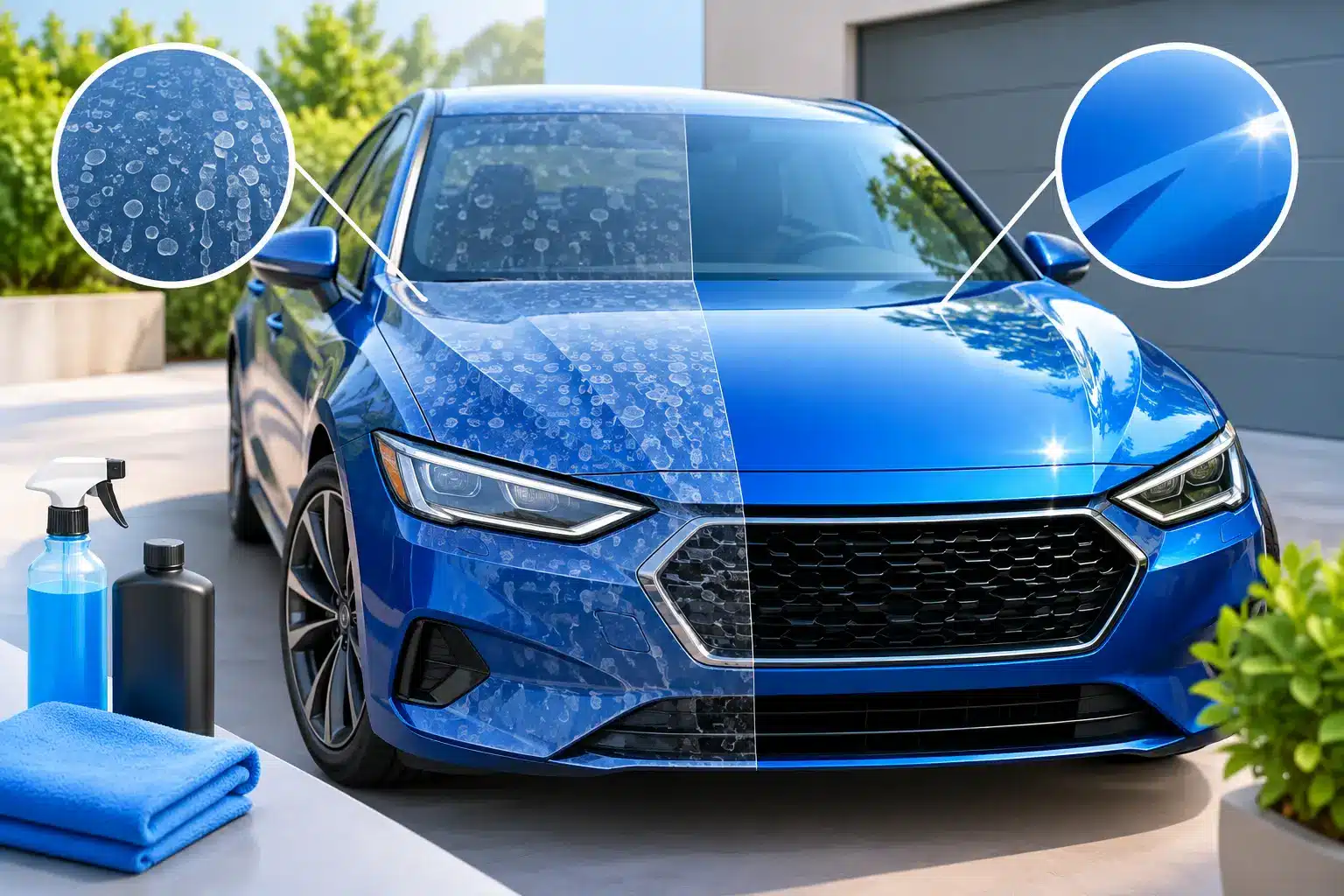
Water itself is not usually the problem. The issue is what gets left behind when water evaporates. Tap water, rainwater, and sprinkler water can contain minerals such as calcium and magnesium. As the water dries, those minerals remain on the surface as white or grayish rings.
In Germantown and across Montgomery County, a car can pick up water spots during an afternoon storm, after parking near a sprinkler, or after a home wash on a sunny weekend. Dark paint often makes the marks easiest to see, but every paint color, windshield, chrome accent, and wheel finish can be affected.
Fresh spots are generally easy to handle. Older spots can bond to the surface and, in more serious cases, etch into clear coat or glass. That is why timing matters. It is much easier to remove mineral residue early than to correct damage after it has sat through repeated heat cycles.
Water Spot Prevention Starts With Drying
The biggest mistake after washing a vehicle is letting it air-dry in direct sun. It may feel convenient, but as the panels heat up, water evaporates quickly and leaves minerals behind before you have a chance to wipe them away.
Whenever possible, wash your vehicle during cooler parts of the day or in the shade. Start drying immediately, working from the roof down so runoff from upper panels does not re-wet areas you already finished. Use clean, high-quality microfiber drying towels rather than an old bath towel, which can drag grit across the paint and leave lint behind.
Do not forget the places where water hides. Mirrors, door handles, grille openings, trim pieces, wheel spokes, and the edges of the trunk or liftgate can drip after you think the car is dry. A quick second pass around those areas prevents surprise streaks when you pull into the driveway or head to work.
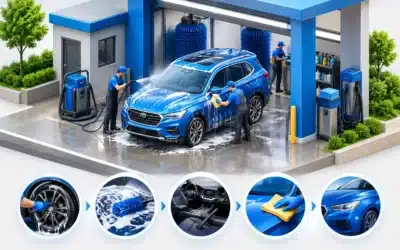
If you are short on time, a professional wash can make a real difference. Proper equipment, controlled wash steps, and thorough drying help reduce the chance that a clean vehicle leaves with mineral marks. For busy families, commuters, and drivers who wash frequently, that convenience helps protect both your schedule and your finish.
Be Careful With Sprinklers and Rain
Avoiding every drop of water is not realistic. What matters is responding before that water bakes onto the vehicle. If your car gets sprayed by a lawn sprinkler, rinse it off or wash it as soon as you can. Sprinkler water can be especially troublesome because it often dries in the sun and may carry a heavier mineral load.
Rain is a little different. Rainwater can leave residue from dust, pollen, road grime, and airborne pollutants, particularly after a light shower. If rain dries and leaves visible spotting, a gentle wash is better than aggressively rubbing dry panels with a towel. Wiping a dusty surface without enough lubrication can create fine scratches.
Add Protection to Make Water Spot Prevention Easier
A protected vehicle is not spot-proof, but it is easier to maintain. Wax, sealants, ceramic treatments, and other protective services create a barrier between the finish and the elements. Water tends to bead and release more easily, and mineral residue is less likely to cling stubbornly to the surface.
The right choice depends on how you use your vehicle and how much upkeep you want to handle. A hand-applied wax is a great option for drivers who want a rich shine and seasonal protection. It is an approachable way to refresh a vehicle before summer sun, winter weather, or a special occasion.
For owners looking for longer-term paint protection, a ceramic coating may be a better fit. Ceramic protection can improve water behavior, enhance gloss, and make regular cleaning easier. It is a premium service, and it still requires routine washing and drying. Think of it as making car care more manageable, not as permission to ignore bird droppings, road film, or mineral-heavy water.
Clay bar and wax treatments can also help when the paint feels rough or looks dull despite regular washing. Clay removes bonded surface contamination before protection is applied, giving wax or other protectants a cleaner surface to work with. This is especially useful when your vehicle has spent plenty of time outdoors near construction, trees, or high-traffic roads.
What to Do When You See Water Spots
Act early, but keep your approach gentle. If the spots are fresh, a regular wash followed by careful drying is often enough. Avoid household glass cleaners, abrasive pads, or harsh acidic products on paint, wheels, and trim. A product that works on one surface may damage another.
For light marks on exterior glass, a professional cleaning may clear them up quickly. If the spots remain after a proper wash, they may need targeted treatment. Paint correction, clay work, polishing, or specialty glass services may be appropriate depending on where the spots are and how long they have been there.
There is a trade-off with DIY spot removers. Some can be effective when used exactly as directed, but strong formulas can stain trim, affect coatings, or create uneven results if they are allowed to dry on the vehicle. When you are unsure whether you are seeing surface residue or etched damage, it is smart to have a trained detailer take a look before experimenting.
Give Wheels and Glass Extra Attention
Wheels collect brake dust, road salt, and mineral-rich water, so spots can become noticeable quickly. Clean wheels with products designed for wheel finishes, then dry the faces and inner areas you can safely reach. Regular wheel detailing makes this job easier and keeps your vehicle looking cared for from every angle.
Your windshield and side windows deserve the same attention. Water spots can create glare at night or reduce visibility in low sun. Keep glass clean, dry it thoroughly after washes, and replace worn wiper blades that smear residue across the windshield.
Build a Routine That Fits Your Life
The best car-care plan is one you can actually keep. For someone with a garage-kept vehicle and limited exposure to sprinklers, regular washing and prompt drying may be all that is needed. For a daily commuter, rideshare driver, or parent whose SUV lives outside, frequent washing and a protection service can save time and help preserve the finish.
An unlimited wash membership can be especially practical when pollen, rain, road grime, or construction dust show up week after week. Instead of waiting until the vehicle looks neglected, you can stay ahead of buildup with quick, consistent visits. Add full-service cleaning or an express detail when the interior, wheels, or paint need more attention.
At Love My Car Carwash, the goal is not to make vehicle care complicated. It is to help you choose the service that fits your car, your budget, and your routine – from a convenient wash and dry to wax, clay bar treatment, or ceramic protection.
A clean vehicle changes the way a drive feels. Keep water spots from stealing that shine, and you can enjoy the small confidence boost that comes every time you walk back to a car that looks good and feels good.