A clean-looking car can still feel unpleasant the moment you open the door. That lingering coffee spill, wet-dog smell, smoke odor, or mystery scent under the seat can make every commute less enjoyable. This guide to car odor treatment starts where lasting results do: with the cause, not a stronger air freshener.
For busy drivers around Germantown and Montgomery County, odor treatment is often about getting your comfortable, feel-good ride back without wasting a Saturday trying products that only cover up the problem. When your car looks good, you feel good – and when it smells fresh, the difference is even more immediate.
Why Car Odors Keep Coming Back
Most persistent odors live in a material, a moisture source, or the vehicle’s air system. Sprays can make the cabin smell better for a day or two, but they cannot remove spilled milk absorbed into carpet padding, moisture trapped beneath a floor mat, or smoke residue clinging to fabric and the headliner.
The first question is simple: when is the smell strongest? If it hits you after rain or when the air conditioning runs, moisture or the HVAC system may be involved. If it gets worse on a warm afternoon, residue in upholstery, carpeting, or cargo areas is more likely releasing the odor. If it appears only after passengers or pets ride along, focus on seats, mats, seat belts, and the areas beneath them.
A quick visual check can help. Look under the seats, in door pockets, around cup holders, beneath removable floor mats, and throughout the trunk or cargo area. Small spills disappear from view quickly, especially in family vehicles and SUVs, but liquid can travel well beyond the spot where it landed.
A Guide to Car Odor Treatment: Start With the Source
The right treatment depends on what caused the smell. There is no one-size-fits-all bottle for every vehicle, and using too much fragrance can make a car feel worse rather than fresher.
Food, drinks, and everyday spills
Coffee, soda, juice, milk, and takeout can leave behind more than a stain. Sugary residue attracts bacteria, while dairy can create a particularly stubborn sour odor as it dries into carpet or seat foam. Blot fresh spills promptly rather than rubbing them deeper. Then clean the affected surface with a product appropriate for the material and extract as much moisture as possible.
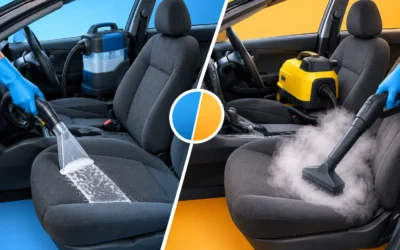
For a small spill caught early, a careful spot clean may be enough. For an older spill or one that soaked through fabric, the carpet padding or upholstery foam may need deeper cleaning. This is where a professional carpet and seat cleaning service can save time, because the goal is to lift residue from below the visible surface, not just freshen the top layer.
Pets, sports gear, and damp fabric
Wet towels, gym bags, cleats, pet blankets, umbrellas, and snow-covered shoes all bring moisture into a vehicle. The odor may seem mild at first, then become noticeably musty after the windows stay closed overnight.
Remove the damp item and take out the floor mats so they can dry completely. Vacuum hair, dirt, and debris from the carpet, seat creases, and cargo area before applying any cleaner. Cleaning without vacuuming first can turn loose grime into a muddy film. If the carpet feels wet underneath or the odor returns after drying, there may be moisture below the surface that requires extraction and extended drying time.
Smoke and vaping residue
Smoke odor is difficult because residue settles nearly everywhere: cloth seats, carpeting, plastic trim, the headliner, and the ventilation system. Vaping can leave a sweet or stale film as well, especially in a car with limited airflow.
A window-down drive and a scented vent clip will not solve it. Thorough interior cleaning is needed, including vacuuming, wiping hard surfaces, cleaning fabrics safely, and addressing the cabin air filter and air vents. Heavy smoke odor often calls for professional odor removal because the residue has had time to spread through the entire cabin.
Musty, mildew, or sour smells
A musty odor deserves attention quickly. It can point to wet carpeting, a leaking door seal, a clogged sunroof drain, a windshield leak, or a water issue in the trunk. Cleaning the interior before identifying the water source may improve the smell briefly, but it will return with the next rainstorm.
Feel the carpeting with your hand, especially near the front footwells and trunk edges. Check for foggy windows, damp mats, visible staining, or a recurring odor after rain. If you find active moisture, have the leak diagnosed and repaired. Then clean and dry the vehicle thoroughly. Mold or mildew concerns are not a situation to ignore or simply perfume away.
Do Not Forget the Air System
Sometimes the cabin is clean, but the smell arrives the moment you turn on the fan. Leaves, moisture, and debris near the air intake can contribute to odors, and an overdue cabin air filter can hold dust and pollutants.
If the odor is strongest with the air conditioning on, replace the cabin air filter if it is due and consider having the HVAC system inspected or treated. A professional can help determine whether the issue is surface buildup in the vents or a larger moisture problem. This step is especially worthwhile before summer heat or after a damp Maryland winter, when closed windows and wet footwear can make odors linger.
What You Can Do at Home
For light, recent odors, a little consistency goes a long way. Start by removing all trash, personal items, and floor mats. Vacuum slowly, including under seats and along seams, then clean the exact affected area with a material-safe cleaner. Let the vehicle air out fully before closing it up again.
Avoid soaking seats and carpets. More cleaner is not automatically better, and excessive water can leave you with the very mildew smell you were trying to eliminate. Keep doors open in a safe, dry location or use airflow to help cleaned areas dry completely.
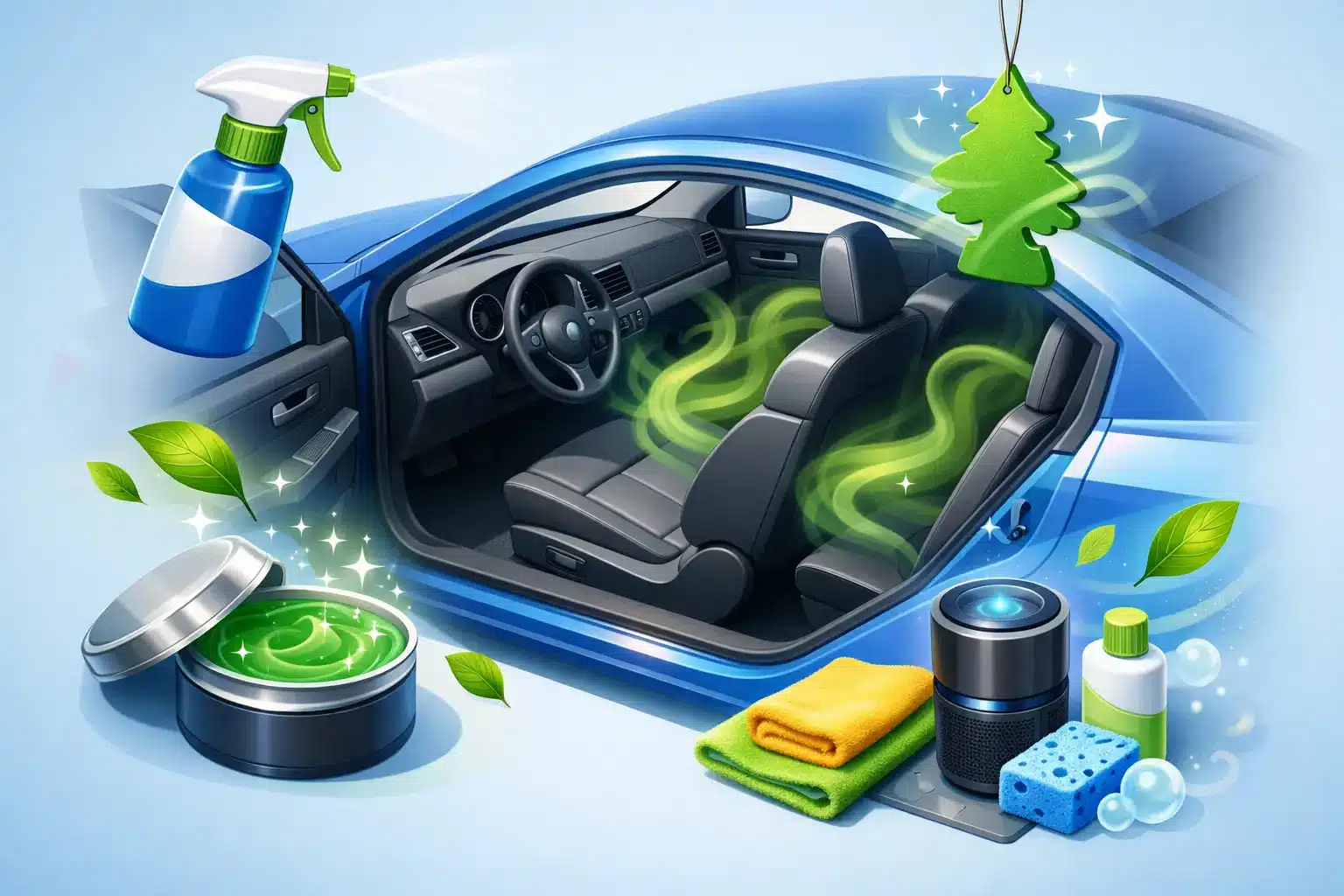
Odor absorbers can be useful after cleaning, but think of them as support rather than the main treatment. They work best when the source has already been removed. Air fresheners are similar: choose a light scent if you enjoy one, but do not use fragrance as a substitute for cleaning.
When Professional Odor Removal Makes Sense
Some odors are too embedded, too widespread, or too uncertain for a quick home cleanup. Professional detailing is a practical choice when you need deeper vacuuming, carpet extraction, upholstery cleaning, targeted odor treatment, and the experience to work through the likely source without damaging delicate interior materials.
Consider scheduling professional help if you notice any of these situations:
- The odor returns within a few days of cleaning.
- A spill soaked into carpeting, seat foam, or the trunk liner.
- Smoke odor affects the whole cabin.
- You smell mildew, see signs of water intrusion, or find damp carpet.
- A pet accident, forgotten food item, or rodent issue has created a strong odor.
The trade-off is straightforward. A DIY treatment can be a good value for a small, fresh spill, while professional service costs more but can be the better choice when the contamination is deep or the source is hard to reach. It also helps preserve the comfort and resale appeal of a vehicle you plan to keep or sell.
At Love My Car Carwash, odor removal can be paired with deep interior care so drivers can address the smell and the grime that often comes with it. For families, commuters, rideshare drivers, and anyone who spends real time behind the wheel, that reset makes the car feel like your own again.
Keep Fresh Odors From Turning Into Big Problems
The easiest odor treatment is the one you never need. Empty food containers regularly, remove damp gear after practice or a rainy day, and clean spills while they are still on the surface. A routine full-service wash or interior cleaning also helps catch crumbs, pet hair, and hidden debris before warm weather turns them into a stubborn smell.
Pay attention after storms and after anyone rides with a drink in hand. A two-minute check of the mats and back seat can prevent a much bigger cleaning job later. Your vehicle carries your workdays, errands, family time, and weekend plans. Keeping it fresh is a small bit of care that makes every mile feel better.