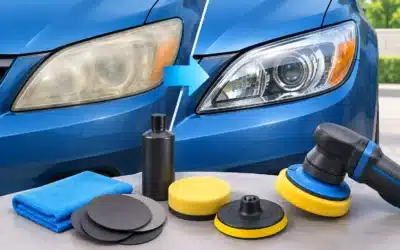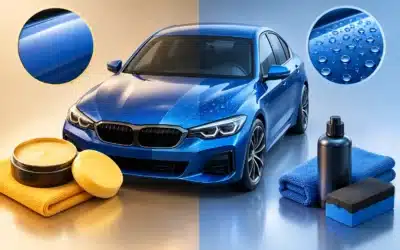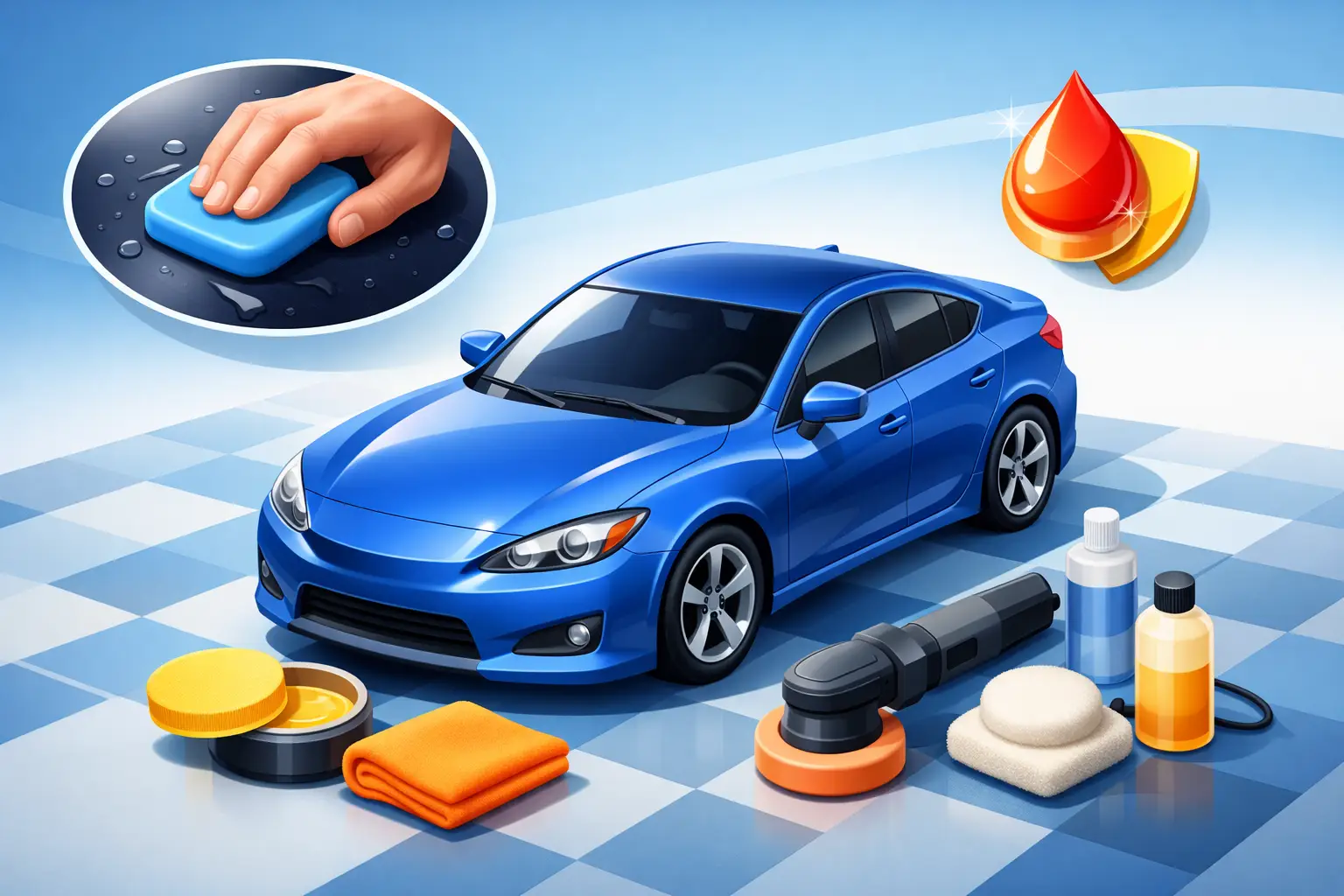
That rough, gritty feeling on clean paint is one of the clearest signs your regular wash is no longer enough. Your car may look clean from a few feet away, but tree sap, road film, brake dust, industrial fallout, and tiny particles can still cling to the surface. A clay bar and wax service is designed for that moment – when you want more than a quick shine and want your vehicle to feel truly cared for again.
For busy drivers in Germantown and across Montgomery County, this service is a practical reset. It helps bring back the smooth, polished look that makes getting behind the wheel feel good, while adding a layer of protection that supports your regular wash routine.
What a Clay Bar and Wax Service Actually Does
A normal car wash removes loose dirt and surface grime. That is essential maintenance, but it cannot always remove contaminants that have bonded to the clear coat. These particles can make paint feel rough, look dull in direct sunlight, and keep wax from bonding as well as it should.
During a clay treatment, a detailing professional lubricates the painted surface and gently glides a clay bar across it. The clay lifts embedded contamination without aggressively polishing away paint. When the process is done correctly, the difference is easy to notice: the paint feels smoother to the touch and has a cleaner foundation for wax.
Wax comes next. Hand-applied wax adds gloss and creates a protective barrier between your vehicle’s finish and the everyday mess of Maryland roads. It can help water bead up, make fresh dirt easier to wash away, and give the paint a richer, more even appearance.
The key is understanding what this service is and is not. Clay removes bonded contaminants. Wax improves shine and adds short-term protection. Neither one is a cure for deep scratches, faded clear coat, chips, or significant swirl marks. If your vehicle has those concerns, a more involved detailing or paint-correction conversation may make better sense.
Signs Your Car Is Ready for Clay Bar and Wax Service
The simplest test is the clean-hand test. After your vehicle has been washed and dried, lightly run your fingertips across a painted panel, especially the hood, roof, or lower doors. If the surface feels bumpy rather than slick, contamination is likely sitting on the finish.
You may also notice small dark dots that do not come off during a normal wash, sticky patches from tree sap, or paint that looks flat even after it has been cleaned. Drivers who park outside, commute frequently, travel on heavily treated roads, or spend time near construction areas often see these issues sooner.
A clay and wax treatment is also a smart choice before a special occasion, a road trip, or putting a vehicle up for sale. It will not make an older car look brand new, but it can make a well-maintained vehicle look noticeably fresher and more presentable. That extra confidence matters when you are picking up clients, carrying family, or simply want to enjoy the car you drive every day.
What to Expect During the Appointment
Good results start with a clean surface. The vehicle is washed first so loose debris is removed before the clay step begins. A professional then works panel by panel with a proper lubricant, checking the paint as they go instead of rushing across dry or dirty surfaces.
The clay process requires patience. Too much pressure or poor lubrication can create unnecessary marring, which is why this is often better left to trained hands than attempted in a driveway with a generic kit. Some vehicles need more attention than others. A newer garage-kept car may only need light decontamination, while a daily driver that lives outdoors may have heavier buildup on the hood, roof, and rear panels.
Once the paint is clean and smooth, the wax is applied and finished according to the product and condition of the vehicle. At Love My Car Carwash, targeted detailing services are meant to fit real life – whether you need a quick appearance boost or a more complete plan for restoring and protecting your vehicle.
Expect the finish to look brighter and feel slicker after service. The waxed surface can also make your next washes more satisfying because water, dust, and road grime have a harder time clinging to the paint. It is a feel-good experience you can see every time you walk back to your car in a parking lot.
Wax, Sealants, and Ceramic Coating: Which Protection Fits?
Wax is a great fit when you want an attractive shine and approachable paint protection without committing to a longer-term treatment. It works especially well for drivers who enjoy maintaining their car regularly and want a refreshed finish a few times each year.
A paint sealant generally lasts longer than traditional wax and may be a better match for drivers focused on extended protection. Ceramic coating is a more substantial investment. When the paint is properly prepared and the coating is professionally applied, it can offer longer-lasting chemical resistance, enhanced gloss, and easier maintenance. It does not make a car invincible, though. Coated vehicles still need regular washing, and they can still get scratched or damaged.
The best choice depends on your vehicle, how it is stored, how long you plan to keep it, and what you want to spend. For many daily drivers, a clay bar and wax service offers a strong balance of visible improvement, protection, and value. For a newer vehicle you want to preserve for years, ceramic coating may be worth discussing after the paint has been evaluated.
How Often Should You Schedule It?
There is no single calendar answer for every car. Many drivers benefit from a clay and wax treatment once or twice a year, often around seasonal changes. Spring is useful after winter road grime and salt exposure. Fall can be a good time to prepare paint for colder weather, falling leaves, and wet roads.
Your conditions matter more than the date. A vehicle kept in a garage, driven lightly, and washed consistently may need clay less often. A commuter vehicle parked outside every day may need it sooner. If the paint no longer feels smooth after a wash, water stops beading, or the shine seems muted, it is reasonable to consider another treatment.
Regular washing helps extend the life of the wax and prevents contaminants from building up as quickly. Unlimited wash memberships and routine full-service washes are helpful companions to detail work because they keep the vehicle from reaching the heavily neglected stage in the first place.
Get the Most From a Freshly Waxed Finish
After a clay and wax service, avoid assuming the vehicle will stay perfect without care. Park under cover when possible, remove bird droppings and tree sap promptly, and choose gentle, professional washing instead of harsh household cleaners. These small habits protect both the wax and the clear coat underneath it.
It also helps to set realistic expectations. Wax may reduce how strongly dirt sticks, but rainwater can still leave mineral spots if it dries on the paint. Winter slush, pollen, and road film still need to be washed away. Protection works best as part of a consistent care plan, not as a replacement for one.
A smooth, freshly waxed car changes more than the view in your driveway. It gives you that small, satisfying reminder that your vehicle is being looked after – and when your car looks good, you feel good.