A trade-in appraiser notices the little things fast: cloudy headlights, salt-stained carpets, crumbs between the seats, and paint that has lost its shine. The best ways to improve resale value are rarely complicated, but they do require consistency. A clean, well-cared-for vehicle tells the next owner that it has been treated with respect – and that can make your car easier to sell and more appealing when it is time to negotiate.
The Best Ways to Improve Resale Value Start Early
Waiting until the week before you list your vehicle is better than doing nothing, but regular care works harder for your value. Dirt, road salt, bird droppings, tree sap, and brake dust can sit on exterior surfaces and gradually damage the finish. Stains and odors can settle into carpets and upholstery long before they become obvious to the driver.
A recurring wash routine keeps those problems from building up. For busy Germantown commuters, families, and rideshare drivers, an unlimited wash membership can make that routine easier to keep. The goal is not to make your vehicle look showroom-new every day. It is to prevent ordinary use from turning into visible wear that a buyer will notice.
Keep the Exterior Clean and Protected
A freshly washed car photographs better, shows better, and gives shoppers confidence before they even open the door. Regular exterior washing removes the grime that hides your vehicle’s color and dulls its finish. Pay attention to wheels and wheel wells, too. Built-up brake dust and road grime can make an otherwise clean vehicle look neglected.
Protection matters as much as appearance. Wax helps enhance shine while creating a protective layer against the elements. For owners planning to keep a vehicle for several years, a clay bar treatment followed by wax can help remove embedded contaminants that basic washing will not lift. Ceramic coating may be worth considering for vehicles you want to protect over the long term, especially if maintaining gloss and easier cleanup are priorities.
The right option depends on your car, budget, and timeline. A vehicle being sold next month may benefit most from a professional wash, decontamination, and wax. A newer vehicle you expect to own for years may justify more durable paint protection.
Do Not Ignore Small Exterior Details
Headlights, trim, tires, and wheels shape the first impression. Yellowed or hazy headlights can make a well-maintained car seem older than it is, and they may raise questions about nighttime visibility. Headlight restoration can brighten the front end and help the vehicle look more cared for.
Tires do not need to be brand-new to look presentable, but they should be clean and properly inflated. If your tires are worn close to replacement, be realistic about the return on investment. Replacing them can help a private sale, yet you may not recover every dollar on a trade-in. Ask yourself whether the improvement will support your asking price or simply make the car more marketable.
Give the Interior the Attention Buyers Feel
People can forgive a few miles on the odometer more easily than a car that feels dirty or smells unpleasant. The interior is where a potential buyer pictures daily life: school drop-offs, commutes, road trips, coffee runs, and grocery bags. A clean cabin makes that picture feel better.
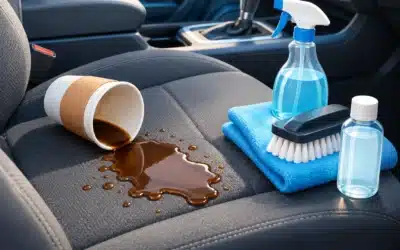
Start with a thorough vacuum of seats, carpets, floor mats, trunk space, door pockets, and the narrow areas around the console. Then address stains before they become permanent. Carpet and seat cleaning can make a dramatic difference in vehicles used by kids, pets, or frequent passengers.
Odor removal deserves special attention. Air freshener can temporarily cover a smell, but it does not solve the cause. Smoke, food, pet, mildew, and spilled drinks can all affect a buyer’s comfort level. Professional odor treatment is often a smarter choice than trying to mask the issue, particularly before an appraisal or private showing.
Fix What a Detail Cannot Fix
Detailing can make your vehicle look its best, but it should not be used to hide mechanical or safety concerns. A warning light, squealing brakes, cracked windshield, or failed inspection can reduce confidence quickly. If a repair is necessary, keep the receipt. Service records show prospective buyers that the car received attention when it needed it.
That does not mean every cosmetic flaw requires an expensive repair. A few minor rock chips on a daily driver may be normal for its age. On the other hand, a loose bumper piece, a missing mirror cap, or a broken interior handle can suggest broader neglect. Focus your budget on obvious issues that affect function, safety, or the overall impression of care.
Keep Maintenance Records Organized
A clean car creates a strong first impression. Organized records help support it. Save receipts for oil changes, tire rotations, battery replacement, brake work, inspections, and larger repairs. If you have had professional detailing, paint protection, or headlight restoration completed, those records can also help explain the care you have put into the vehicle.
You do not need a thick folder full of every car wash receipt. What matters is being able to show regular maintenance and answer basic questions without guessing. Digital records are fine, but make them easy to access when you meet a buyer or visit a dealership.
Choose a Pre-Sale Detail That Matches the Vehicle
A professional detail is often one of the best final steps before listing or trading in a vehicle. It goes beyond a quick wash by focusing on the areas buyers inspect up close: upholstery, carpets, vents, crevices, door jambs, wheels, glass, and painted surfaces.
The best detailing package depends on condition. A newer car with light dust and normal use may only need an express interior and exterior refresh. A family SUV with stained seats, dog hair, and winter grime may need deeper carpet, seat, and odor treatment. If paint feels rough or looks dull, clay bar and wax services can help restore a smoother, brighter appearance.
At Love My Car Carwash, professional care can be tailored to whether your vehicle needs a fast refresh or more thorough interior and exterior attention. The point is to spend where it makes a visible difference, not to add services that do not fit the vehicle’s condition or selling plan.
Prepare for Photos, Showings, and Appraisals
Once your car is clean, keep it that way while it is on the market. Remove personal items, empty the trunk, take out extra chargers and papers, and leave only what belongs with the vehicle. A spare key, owner’s manual, and maintenance folder should be ready, but clutter should not be.
Before photographs or a showing, do a quick walk-around in daylight. Clean the glass inside and out, wipe fingerprints from touchscreens, straighten floor mats, and check for new trash. If you have a pet, vacuum again. These small touches cost little, yet they help a buyer focus on the vehicle rather than your last errand.
Be honest about condition. A clean vehicle should support a fair description, not cover up a problem. Buyers and appraisers appreciate straightforward answers, and that trust can keep a conversation moving in the right direction.
Make Clean Car Care Part of Ownership
Resale value is built one ordinary drive at a time. Wash away the winter road film, clean up spills when they happen, protect the finish, and schedule deeper care before dirt and odors become part of the vehicle’s story. When your car looks good, you feel good – and when it is time for someone else to take the wheel, that care is easier for them to see.