If you are wondering how to remove scratches from car paint, the first step is figuring out how deep the scratch is. Light scratches and clear coat scratches can often be improved with washing, polishing compound, scratch remover, wax, and proper technique. Deep scratches that reach the color coat, paint layer, or bare metal usually need touch up paint, professional repair, or help from a body shop.
At Love My Car Car Wash & Detail Center, I know how frustrating it is to spot a new scratch on your car’s finish. Maybe it happened in a parking lot. Maybe it came from improper washing, road debris, branches, keys, or a mystery mark that showed up out of nowhere. Either way, scratches can make your vehicle look older than it is.
The good news is that not every car scratch is a disaster. Some surface scratches can be corrected. Others need professional attention. The key is knowing the difference before you rub, buff, wet sand, or apply the wrong product.
What Should You Know Before You Fix Car Scratches?
Before you try to fix car scratches, you need to understand that your car paint usually has multiple layers. Most modern vehicles have a primer layer, a color coat, and a clear coat layer on top. The clear coat is the top layer that protects the paint and gives the vehicle its shine.
A scratch may affect only the clear coat, or it may go deeper into the paint layer. In more serious cases, deep scratches can reach bare metal. The deeper the scratch, the more careful the repair needs to be.
Before you start, always:
- Wash the affected section with soapy water
- Remove dirt from the scratched area
- Dry completely with a clean microfiber towel
- Check the scratch depth
- Test products in an inconspicuous area
- Use clean microfiber towels
- Avoid rushing the process
Managing expectations is important. A DIY method may improve the appearance of a scratch, but it may not make every scratch disappear completely.
Photo by Angelika P on Unsplash
What Are The Main Types Of Car Scratches?
The main types of car scratches are surface scratches, clear coat scratches, paint scratches, and deep scratches. Each scratch type affects a different layer of the car’s finish.
Surface Scratches
Surface scratches are usually the easiest to improve. These may come from light contact, dust, debris, or minor rubbing against the clear coat. They often look visible in certain light but may not feel deep.
Clear Coat Scratches
Clear coat scratches affect the clear coat layer but do not reach the car’s color coat. These are common and may be improved with a car scratch remover, polishing compound, rubbing compound, machine polishing, or careful buffing.
Paint Scratches
Paint scratches go deeper than the clear coat and may reach the color coat. These scratches are harder to correct because the color has been affected.
Deep Scratches
Deep scratches may reach the primer or bare metal. These need more than polish. If bare metal is exposed, the area may need touch up paint or professional repair to help prevent rust and further damage.
How Can You Tell If A Car Scratch Is Light Or Deep?
You can usually tell whether a car scratch is light or deep by using the fingernail test. Gently run your fingernail across the scratched area. If your fingernail does not catch, the scratch may be a shallow scratch or clear coat scratch. If your fingernail catches, the scratch may be deeper.
Use this simple guide:
- If the scratch looks white but feels smooth, it may be in the clear coat.
- If the scratch catches your fingernail, it may be deeper.
- If you can see the car’s color missing, it may have reached the paint layer.
- If you see gray primer or bare metal, it needs professional attention.
The fingernail test is not perfect, but it helps you decide whether DIY methods are worth trying or whether it is time to seek professional help.
How To Remove Scratches From Car Paint Safely
To remove scratches from car paint safely, start with the least aggressive method. Wash the area, dry it, apply a scratch remover or polishing compound with an applicator pad, work gently, wipe with a clean microfiber cloth, and check the results.
A basic process looks like this:
- Wash the affected section with soapy water.
- Dry completely with a clean microfiber towel.
- Inspect the scratch depth.
- Apply a small amount of car scratch remover or polish.
- Rub gently with an applicator pad using proper technique.
- Wipe the area with a clean microfiber cloth.
- Repeat lightly if needed.
- Apply wax or protection after polishing.
Avoid using too much pressure. More force does not always mean better results. In fact, rubbing too hard can create new scratches or dull the finish.
What Are Light Scratches And How Can You Remove Them?
Light scratches are shallow marks that usually affect the clear coat or top layer of the car’s finish. They often come from dust, minor contact, improper washing, drying with dirty towels, or brushing against the vehicle.
Light scratches may be improved with:
- Scratch remover
- Polishing compound
- Rubbing compound
- Clean microfiber towels
- Applicator pad
- Wax
- Proper washing and drying
The fastest and easiest way to improve minor scratches is to clean the area first, apply a product designed for car surfaces, and buff gently. If the scratch is truly light, you may see a noticeable improvement.
For black paint or dark colors, light scratches may look more visible. That does not always mean they are deep. Dark paint simply shows imperfections more easily.
What Are Clear Coat Scratches?
Clear coat scratches are scratches that affect the clear protective layer over your car’s color coat. They are among the most common car scratches and can often be corrected or improved without repainting.
Clear coat scratches may come from:
- Improper washing
- Dirty towels
- Automatic car washes with worn or dirty materials
- Tree branches
- Road debris
- Dust dragged across the surface
- Parking lot contact
- Poor drying technique
Not every automatic car wash causes scratches, but improper washing methods, dirty equipment, and harsh contact can create swirl marks or light scratches over time. That is why quality, maintenance, and proper technique matter.
At Love My Car, we focus on giving customers a clean, feel-good wash experience that helps protect their vehicle and keep it looking its best.
Can A Car Scratch Remover Really Work?
A car scratch remover can work on light scratches, surface scratches, and some clear coat scratches. It usually will not fix deep scratches that reach the paint layer, primer, or bare metal.
Scratch remover products work by lightly polishing the clear coat around the scratch so the mark looks less visible. Some products are more aggressive than others, so always read the directions and test first.
A car scratch remover may help with:
- Minor scratches
- Clear coat scratches
- Shallow scratches
- Surface marks
- Light scuffs
- Small paint transfer marks
It may not work well for:
- Deep scratches
- Bare metal exposure
- Large damaged areas
- Peeling paint
- Cracked paint
- Scratches that catch your fingernail deeply
If you are unsure, start gently or ask a professional before making the damage worse.
How Do You Use Rubbing Compound Or Polishing Compound?
Rubbing compound and polishing compound can help correct scratches, dull spots, oxidation, and surface imperfections when used properly. Rubbing compound is usually more aggressive, while polishing compound is often milder and used for refining the finish.
To use these products:
- Wash and dry the scratched area.
- Apply a small amount to an applicator pad.
- Work in a controlled motion over the scratch.
- Avoid pressing too hard.
- Wipe with a clean microfiber towel.
- Check your progress.
- Follow with polish or wax if needed.
Some people use circular motion, while others prefer straight-line motions depending on the product and repair method. The most important thing is to follow the product instructions and avoid overworking one spot.
Too much compound can thin the clear coat and cause more visible damage.
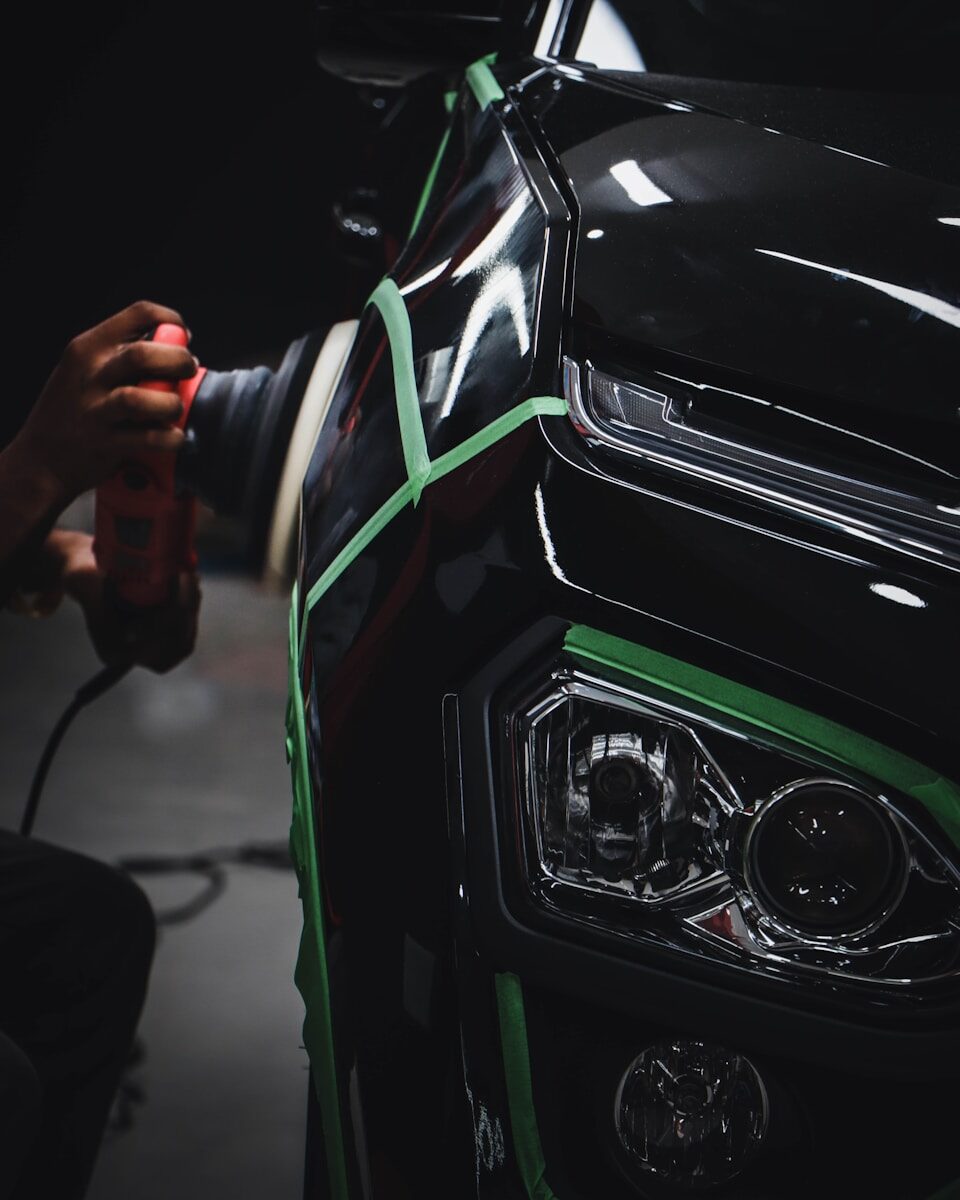
Photo by Neelabh Raj on Unsplash
When Should You Use Touch Up Paint?
Touch up paint may be needed when a scratch reaches the color coat, primer, or bare metal. If the car’s color is missing from the scratched area, polishing alone will not replace the lost paint.
Touch up paint can help cover deeper damage and reduce the risk of rust if bare metal is exposed. However, matching the car’s color takes care. You need the correct paint code, a clean surface, and patience.
Touch up paint may help with:
- Rock chips
- Deep scratches
- Small areas of missing color
- Scratches that expose primer
- Scratches that expose bare metal
For larger scratches, uneven damage, or visible repair areas, a body shop may provide better results.
When Do Deep Scratches Require Professional Repair?
Deep scratches require professional repair when they reach the color coat, primer, or bare metal, or when the scratch is too large for a simple DIY fix. These scratches may need sanding, paint matching, touch up paint, clear coat, blending, or full repainting.
You should seek professional repair if:
- Your fingernail catches deeply
- Bare metal is visible
- The scratch is long or wide
- Paint is chipped or peeling
- Rust has started
- The scratch is on a highly visible panel
- DIY methods made it worse
- You want the best possible finish
Professional attention is especially important if the scratch could lead to rust or if the vehicle’s appearance matters for resale, business, rideshare driving, or personal pride.
When Should A Body Shop Handle Car Scratch Repair?
A body shop should handle car scratch repair when the damage goes beyond the clear coat or when the scratch affects the paint layer, body panel, or metal underneath. A body shop has the tools, paint-matching ability, and repair process needed for deeper damage.
A body shop may be the right choice for:
- Bare metal scratches
- Deep paint damage
- Large scratches
- Dented areas
- Rust concerns
- Multiple panels
- Paint matching
- Insurance-related repairs
At Love My Car, we can help with cleaning, washing, detailing, waxing, and protecting your vehicle’s appearance. If a scratch needs repainting or body repair, we recommend getting help from a qualified body shop.
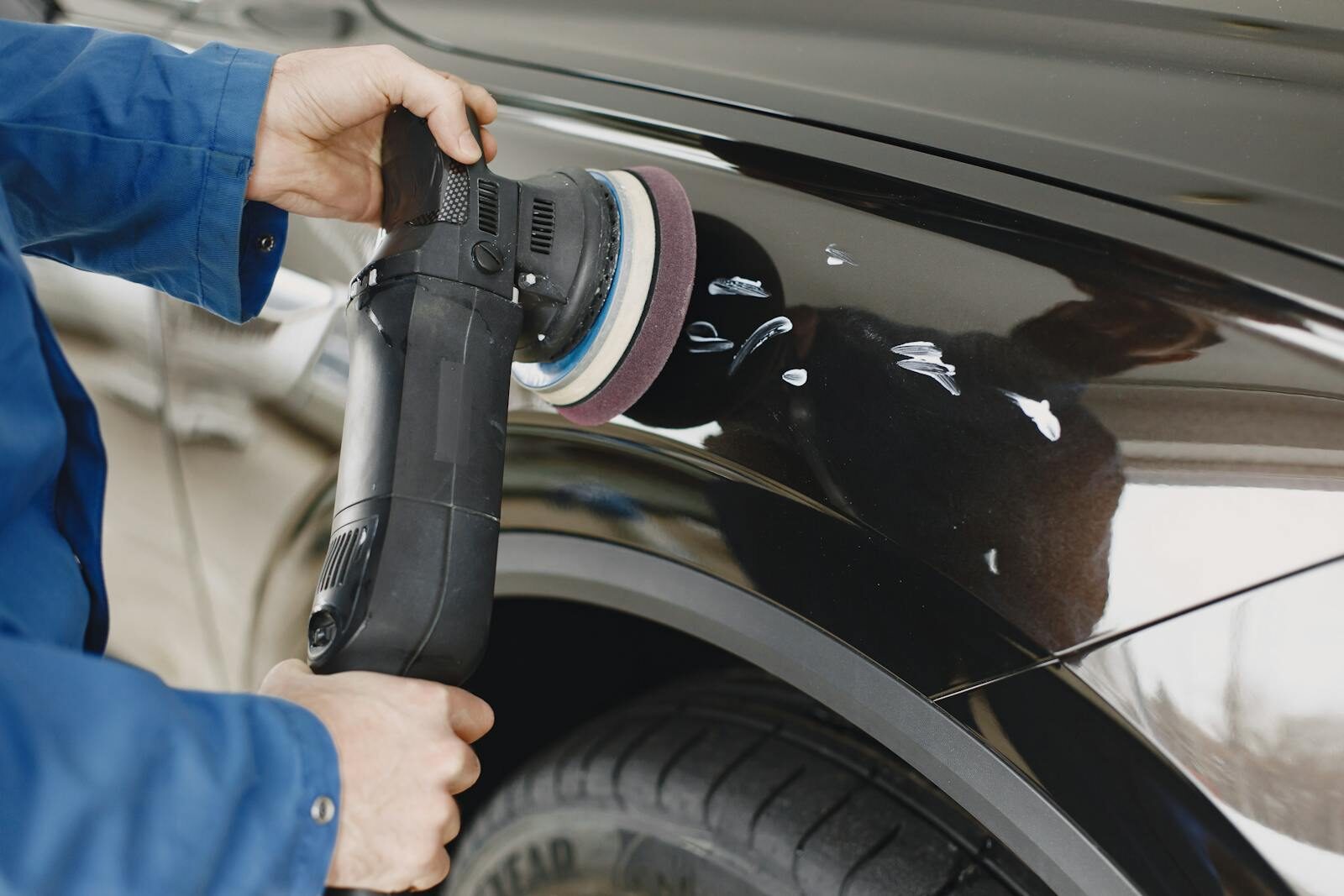
Can Machine Polishing Fix Scratches?
Machine polishing can fix or improve some scratches, especially clear coat scratches, swirl marks, and surface scratches. It uses a polishing machine, pad, and compound to carefully level the clear coat around imperfections.
Machine polishing can create great results, but it also requires the right tools and technique.
If done incorrectly, machine polishing can:
- Create haze
- Leave swirl marks
- Burn through clear coat
- Make scratches more visible
- Damage edges or curves
- Create uneven shine
This is why professional experience matters. Machine polishing is not just about having a buffer. It is about knowing the paint, pad, product, pressure, and process.
Can Wet Sanding Remove Car Scratches?
Wet sanding can remove or reduce some scratches, but it should be handled very carefully. It is a more aggressive repair method that removes part of the clear coat to level the surface.
Wet sanding is usually not the first step for DIY scratch repair.
It may be used for:
- Deeper clear coat scratches
- Severe oxidation
- Paint correction work
- Professional scratch repair
- Finishing after touch up paint
If you wet sand too much, you can damage the clear coat or paint layer. For most drivers, this is a job best left to a professional.
How Can Improper Washing Cause New Scratches?
Improper washing can cause new scratches when dirt, sand, dust, or debris are dragged across the paint. Dirty towels, rough sponges, harsh brushes, and poor drying methods can also create swirl marks and fine scratches.
Common washing mistakes include:
- Washing a dry, dusty car without rinsing first
- Using dirty towels
- Scrubbing too hard
- Using household cleaners
- Drying with rough fabric
- Letting dirt stay on the paint too long
- Skipping wax or protection
- Using the same towel on wheels and paint
A clean microfiber towel, quality wash process, and proper drying technique can help protect your car’s finish.
How Can Wax Help After Scratch Removal?
Wax helps after scratch removal by adding a layer of protection and shine to the corrected area. Once you use scratch remover, rubbing compound, or polishing compound, the surface may need protection.
Wax can help:
- Improve shine
- Protect the clear coat
- Reduce future contamination
- Make washing easier
- Create a smoother finish
- Help the repaired area blend better
For longer-lasting protection, ceramic coating may be worth considering. It will not remove scratches, but it can help protect the paint after the surface has been properly corrected.
Can Detailing Help With Scratches?
Detailing can help with some scratches, especially light scratches, surface scratches, clear coat scratches, oxidation, and dull areas. It can also make the whole vehicle look cleaner and more polished, which may reduce how noticeable minor scratches appear.
Detailing may include:
- Thorough wash
- Decontamination
- Polishing
- Wax
- Ceramic protection
- Interior cleaning
- Wheel and tire care
- Headlight restoration
Detailing is not the same as body repair. If the scratch is deep enough to reach the paint layer or bare metal, professional repair may be needed.
What Mistakes Should You Avoid When Trying To Fix Scratches?
The biggest mistake is trying to fix scratches without checking the scratch depth first. If you use the wrong method, you can make the damage worse.
Avoid these common mistakes:
- Skipping the wash first
- Rubbing dirt into the paint
- Using dirty towels
- Applying too much pressure
- Using harsh compounds too aggressively
- Wet sanding without experience
- Using the wrong touch up paint
- Ignoring bare metal
- Expecting deep scratches to disappear with polish
- Using one product on every scratch type
Always match the repair method to the scratch type.

How Can Love My Car Help Protect Your Car Paint?
At Love My Car Car Wash & Detail Center, we help Germantown drivers keep their vehicles clean, protected, and looking their best. While serious scratch repair may require a body shop, regular washing and detailing can help protect your car paint and reduce the chance of new scratches from dirt and buildup.
We offer:
- Full-service car wash options
- Bronze, Silver, Gold, and Diamond wash packages
- Tire shine
- Rim cleaner
- Interior detailing
- Exterior detailing
- Waxing
- Ceramic protection
- Odor removal
- Headlight restoration
- Unlimited wash memberships
- Multi-vehicle discounts
If your car’s finish looks dull, dirty, or lightly marked, visit us for a wash or detail. We can help you choose the right level of care for your vehicle.
Why Choose Love My Car In Germantown?
Love My Car is family-owned, community-focused, and built around a feel-good car wash experience. We help everyday drivers, families, professionals, rideshare drivers, fleet owners, and car enthusiasts care for their vehicles year-round.
I believe your car should look good, feel clean, and make you proud to drive it.
Whether you need a quick wash, a full detail, wax, ceramic protection, or help maintaining your vehicle after scratch repair, we are here to make car care easy and friendly.
Keep Your Car’s Finish Looking Its Best
Learning how to remove scratches from car paint starts with understanding the scratch depth. Light scratches and clear coat scratches may improve with scratch remover, polishing compound, wax, and proper technique. Deep scratches that reach the paint layer or bare metal need professional attention.
If your vehicle needs a clean reset before you inspect scratches, or if you want to protect the finish after repair, Love My Car can help.
Make Your Car Shine Today. Book Your Full Detail Appointment. Join the Unlimited Wash Club. Step Up Your Shine with Gold or Diamond. Protect Your Investment with Ceramic Coating.
Fast, Friendly, and Family-Owned, That’s Love My Car.
Show Your Car Some Love Today.
More Car Wash And Car Care Resources For Germantown Drivers
Want to learn more about keeping your vehicle clean, protected, and ready for the road? These resources can help you compare car wash options, understand detailing, care for your interior, protect your paint, and stay on top of basic vehicle maintenance.
- Love My Car Car Wash | Learn more about Love My Car’s full-service car wash, detailing options, wash packages, and monthly unlimited wash passes.
- Love My Car Car Wash Contact Page | Find the Germantown location, hours, contact information, and details for planning your next visit.
- Love My Car Car Wash Detailing Guide | Learn the difference between a regular car wash and car detailing, including how detailing helps remove stubborn buildup and protect your vehicle’s finish.
- Love My Car Car Wash Detailing In Germantown | Read more about professional car detailing in Germantown and how it helps refresh the inside and outside of your vehicle.
- Consumer Reports: How To Wash Your Car | A helpful guide on safe washing habits, car wash products, and common car washing mistakes.
- Consumer Reports: Are Car-Wash Extras Worth It? | A useful resource for understanding car wash upgrades, protection options, wax, tire cleaner, and when extras may make sense.
- Consumer Reports: How To Clean Your Car’s Interior | A practical guide for cleaning interior surfaces, seats, dashboards, and high-touch areas.
- Consumer Reports: Expert Car Detailing Secrets | Tips on car washing, cleaning wheels and tires, polishing, waxing, and keeping your vehicle looking its best.
- AAA: Time-Stamped Car Maintenance Checklist | A simple maintenance resource for oil changes, tires, batteries, fluids, lights, and other routine vehicle care.
- NHTSA TireWise Tire Safety Guide | Learn how to check tire pressure, tread depth, tire age, and tire safety basics.
- IIHS Vehicle Safety Research | Explore vehicle safety research, including crash prevention, headlights, and other driver safety topics.
- EPA: Vehicle Maintenance And Washing Best Practices | A resource on vehicle washing, runoff, and why proper washing practices matter for the environment.
- Maryland MVA: Selling A Vehicle | A Maryland-specific guide for selling a vehicle, including title, lien, and ownership transfer steps.
- Maryland MVA: Buying A Vehicle | A useful Maryland resource for title transfer, bill of sale, odometer details, and buying paperwork.
- FTC: Buying A Used Car From A Dealer | A consumer-friendly guide on vehicle history reports, warranties, Buyers Guides, and used car buying tips.
FAQs About How To Remove Scratches From Car
How Do I Know If A Car Scratch Is Deep?
Use the fingernail test. If your fingernail catches in the scratch, it may be deep. If bare metal or primer is visible, it needs professional attention.
Can Scratch Remover Fix Car Scratches?
Scratch remover can help with light scratches, surface scratches, and some clear coat scratches. It usually cannot fix deep scratches.
Can I Fix Deep Scratches Myself?
Small deep scratches may be improved with touch up paint, but larger or visible damage should be handled by a body shop.
What Are Clear Coat Scratches?
Clear coat scratches affect the top protective layer of your car paint. They do not reach the color coat and may often be polished or buffed.
Does Wax Remove Scratches?
Wax does not remove scratches, but it can help hide very light marks and protect the surface after polishing.
Can Improper Washing Scratch Car Paint?
Yes. Improper washing can scratch paint if dirt, debris, rough towels, or dirty materials are dragged across the surface.
Should I Use Rubbing Compound On Every Scratch?
No. Rubbing compound can be aggressive. Use it carefully and only when it matches the scratch type and product directions.
When Should I Go To A Body Shop For A Scratch?
Go to a body shop if the scratch reaches bare metal, affects the paint layer, has rust, is very large, or needs paint matching.
Can Detailing Remove Scratches?
Detailing can improve light scratches and clear coat scratches, but it cannot fully repair deep paint damage.
How Can I Prevent New Scratches?
Wash regularly, use clean microfiber towels, avoid harsh scrubbing, remove dirt quickly, and protect your paint with wax or ceramic coating.