If you are asking, “Why does my car smell like gas?” The most important thing to know is this: a gasoline smell should never be ignored. A faint gas smell right after filling up may come from a loose or missing gas cap, but a strong gas smell, visible leak, gasoline fumes, or smell inside the car’s interior may point to a fuel system problem that needs immediate attention.
At Love My Car Car Wash & Detail Center, I care about helping Germantown drivers keep their vehicles clean, fresh, and safe to drive. While we are not a mechanic shop, we do know that some odors are more than just unpleasant. Gasoline smells can be a warning sign, especially when they are strong, sudden, or keep coming back.
If your car smells like gas, do not cover the odor with air fresheners or ignore it. Find the cause first. Once any safety or mechanical issue is fixed, we can help refresh your vehicle’s interior with cleaning, detailing, and odor removal support.

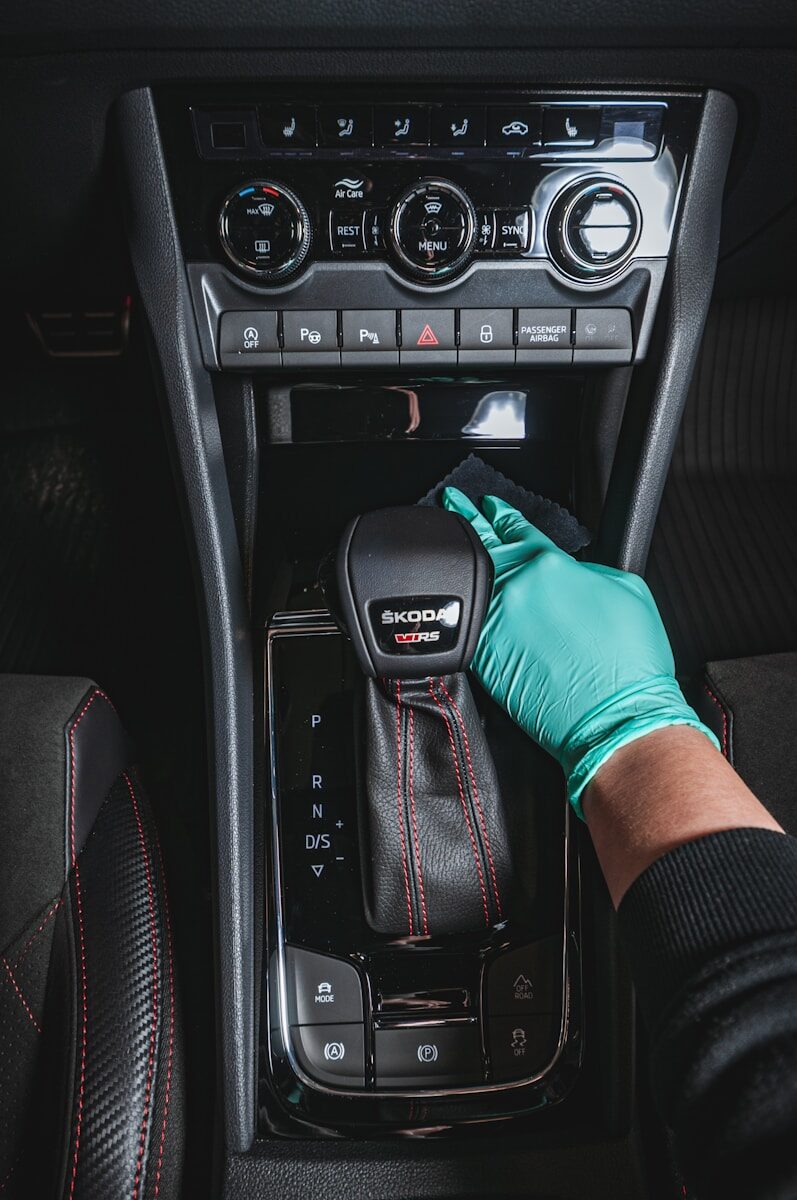
Photo by Fethi Benattallah on Unsplash
Why Does My Car Smell Like Gas?
Your car may smell like gas because of a loose gas cap, fuel vapor escaping from the fuel system, a fuel leak, fuel injector issues, a faulty fuel pressure regulator, fuel tank damage, an EVAP system problem, or excess fuel entering the engine.
A gas smell can come from several areas, including the gas tank, fuel lines, fuel rail, engine bay, exhaust system, or evaporative emission control system. Sometimes the cause is simple and inexpensive. Other times, it can become a fire risk or lead to costly repairs if it is ignored.
If the smell is strong, if you see visible puddles, or if the odor is inside the cabin, avoid driving and seek professional help.
Why Gas Smells Shouldn’t Be Ignored
A gas smell should not be ignored because gasoline vapors are highly flammable and may create health risks with prolonged exposure. Even a small leak can become dangerous if gasoline fumes reach hot engine parts, electrical components, or the exhaust manifold.
Gasoline is designed to power your vehicle, not escape into the air around you.
A strong odor can signal:
- A fuel system leak
- Liquid gasoline dripping under the car
- A gas cap that is not properly sealed
- Fuel vapor escaping from the EVAP system
- A faulty fuel pressure regulator
- Fuel injector issues
- A rich fuel mixture
- A damaged fuel tank or fuel lines
- A check engine light related to emissions or fuel pressure
This is one of those situations where waiting can make things worse. A small pinhole leak can turn into expensive repairs, and a strong gas smell can point to potential hazards that need attention right away.
What Common Causes Make A Car Smell Like Gas?
Common causes of gas smells include a loose or missing gas cap, fuel leak, fuel injector issues, damaged fuel lines, fuel tank problems, EVAP system failure, rich fuel mixture, faulty fuel pressure regulator, or gasoline vapors escaping from the engine bay.
Here are the most common possibilities drivers should know about:
- Loose gas cap
- Missing gas cap
- Damaged gas cap seal
- Fuel tank leak
- Fuel lines damaged by age or road debris
- Fuel injector issues
- Fuel rail leak
- Faulty fuel pressure regulator
- Rich fuel mixture
- EVAP system leak
- Charcoal canister problem
- Purge valve stuck open
- Exhaust system issue
- Fuel filter or fuel pump problem
Some of these are simple fixes. Others require pressure tests, inspection, and repairs from a qualified automotive professional.
How Can A Gas Cap Cause A Gas Smell?
A gas cap can cause a gas smell if it is loose, missing, cracked, or not securely tightened. The gas cap helps keep fuel vapor inside the fuel tank and supports the evaporative emission control system.
If the cap is not properly sealed, gasoline vapors can escape. You may notice a gas smell near the fuel door, around the back of the vehicle, or shortly after filling up.
A gas cap issue may also trigger the check engine light in modern vehicles.
Before panicking, check the gas cap first. Make sure it is tightened until it clicks. If it is missing, cracked, or worn out, replace it with the correct part for your vehicle.
What Fuel System Problems Can Cause A Gasoline Smell?
Fuel system problems can cause a gasoline smell when fuel or fuel vapor escapes from parts that are supposed to stay sealed. The fuel system includes the gas tank, fuel pump, fuel filter, fuel lines, fuel rail, fuel injectors, and related components.
A fuel system leak may happen because of:
- Aging rubber hoses
- Rusted metal lines
- Road debris damage
- Loose connections
- Damaged fuel tank
- Worn seals
- Faulty fuel injectors
- Fuel pressure regulator issues
- Fuel rail leaks
If you smell gas around the engine bay, under the car, or inside the car’s interior, the fuel system needs to be checked.
Do not touch liquid gasoline, drive with a strong smell, or park near open flames. Gasoline is highly flammable, and a fuel leak needs professional attention.
How Can A Fuel Leak Create A Fire Risk?
A fuel leak can create a fire risk because gasoline and gasoline vapors are highly flammable. If fuel leaks near a hot engine, exhaust manifold, spark plugs, electrical components, or other heat sources, the situation can become dangerous.
Signs of a possible fuel leak include:
- Strong gas smell
- Visible puddles under the vehicle
- Wet spots near the fuel tank
- Gasoline smell near the engine bay
- Sudden drop in fuel level
- Poor fuel economy
- Check engine light
- Rough running engine
- Smell of gasoline inside the cabin
If you suspect a fuel leak, stop driving and seek professional help. This is not the time to “see if it goes away.”
Can A Faulty Fuel Pressure Regulator Cause A Gas Smell?
Yes. A faulty fuel pressure regulator can cause a gas smell if it allows too much fuel into the engine or causes fuel pressure problems. The fuel pressure regulator helps maintain optimal pressure so the right amount of fuel mixes with air before entering the combustion chamber.
When the regulator fails, the engine may receive extra fuel. This can create a rich fuel mixture, which means there is too much fuel and not enough air.
Signs of a faulty fuel pressure regulator may include:
- Gasoline smell
- Poor fuel economy
- Black smoke from exhaust
- Rough idle
- Hard starting
- Engine misfires
- Check engine light
- Fuel pressure issues
A faulty fuel pressure regulator can also contribute to excess fuel in the engine, gasoline fumes, and performance problems. A mechanic may need to test fuel pressure to confirm the issue.
What Are Fuel Injector Issues?
Fuel injector issues happen when one or more fuel injectors leak, clog, stick open, or fail to spray fuel properly. Fuel injectors deliver fuel into the engine in a controlled way. When they do not work correctly, the fuel mixture can become too rich or uneven.
A leaking fuel injector can allow liquid gasoline or extra fuel into the engine. That may create a strong gas smell, poor performance, rough idle, or a check engine light.
Fuel injector issues may cause:
- Gas smell near the engine
- Hard starting
- Poor acceleration
- Rough idle
- Engine misfire
- Rich fuel mixture
- Reduced fuel economy
- Strong exhaust odor
This is a mechanical issue, so it should be checked by a professional.
Can The Check Engine Light Be Related To A Gas Smell?
Yes. A check engine light can be related to a gas smell, especially if the problem involves the gas cap, EVAP system, fuel pressure, fuel injectors, rich fuel mixture, or emissions system.
The check engine light does not always mean something major is wrong, but when it appears with a gas smell, you should take it seriously.
Possible causes include:
- Loose or missing gas cap
- EVAP system leak
- Faulty purge valve
- Charcoal canister issue
- Fuel pressure regulator issues
- Fuel injector problems
- Fuel system leak
- Rich fuel mixture
A diagnostic scan can help identify the problem. If the gas smell is strong, do not keep driving just because the car still runs.
How Can The Exhaust System Make A Car Smell Like Gas?
The exhaust system can make a car smell like gas if unburned fuel is passing through the engine and exhaust. This may happen when the fuel mixture is too rich, spark plugs are not igniting fuel properly, or excess fuel is entering the combustion chamber.
In this case, the smell may be stronger near the tailpipe or after the engine has been running.
Possible causes include:
- Rich fuel mixture
- Faulty spark plugs
- Fuel injector issues
- Faulty fuel pressure regulator
- Engine misfire
- Exhaust system problems
- Too much fuel entering the engine
This can affect performance, emissions, and fuel economy. It may also damage parts of the exhaust system if ignored.
What Is The EVAP System And Why Does It Matter?
The EVAP system, or evaporative emission control system, is designed to store fuel vapors and prevent them from escaping into the air. It helps reduce air pollution and keeps gasoline vapors contained.
Important EVAP system parts may include:
- Gas cap
- Charcoal canister
- Purge valve
- Vent valve
- Fuel tank connections
- Vapor lines
If the EVAP system has a leak or the purge valve is stuck open, you may smell gasoline vapors. The check engine light may also turn on.
An EVAP issue may not always feel urgent, but it should still be checked because fuel vapors are not meant to escape.
Photo by Dany Caiza on Unsplash
Why Does My Car Smell Like Gas Inside The Cabin?
Your car may smell like gas inside the cabin because gasoline vapors are entering through vents, openings, leaks, or nearby fuel system issues. A gas smell inside the car’s interior is a bigger concern than a brief smell outside after refueling.
Possible causes include:
- Fuel leak near the engine bay
- Fuel vapor entering through the HVAC system
- EVAP system leak
- Fuel line issue
- Gas tank leak
- Exhaust leak
- Strong fumes from a rich fuel mixture
- Spilled gasoline on shoes, clothes, or floor mats
If the smell is strong or makes you feel lightheaded, stop driving, get fresh air, and seek professional help.
After the mechanical issue is fixed, interior cleaning may help remove lingering odor from carpets, floor mats, upholstery, or vents.
Why Does My Car Smell Like Gas After I Fill Up?
A car may smell like gas after filling up because of spilled gasoline, an overfilled gas tank, a loose gas cap, or fuel vapor escaping from the EVAP system. A brief smell outside the vehicle can happen if gas drips near the fuel door, but the smell should fade quickly.
If the smell continues after you leave the gas station, check the gas cap first.
Make sure:
- The gas cap is securely tightened
- The cap is not missing
- The seal is not cracked
- The fuel door area is not wet
- You did not overfill the tank
- There are no visible leaks under the vehicle
If the smell stays strong, have the vehicle inspected.
Can A Rich Fuel Mixture Cause A Strong Gas Smell?
Yes. A rich fuel mixture means too much fuel is mixing with not enough air. When this happens, some fuel may not burn completely in the combustion chamber. That can lead to a gasoline smell from the exhaust, poor fuel economy, rough performance, or black smoke.
A rich fuel mixture may be caused by:
- Faulty fuel pressure regulator
- Fuel injector issues
- Bad sensors
- Dirty air filter
- Engine control problems
- Spark plug issues
- Fuel pressure problems
This problem can waste gas, increase emissions, and lead to expensive repairs if ignored.
What Should I Do If I Smell Gas While Driving?
If you smell gas while driving, take it seriously. If the smell is strong, pull over safely, turn off the engine, and avoid smoking, sparks, or open flames near the vehicle.
Use this safety checklist:
- Pull over in a safe place.
- Turn off the engine.
- Check for visible puddles or liquid leaks from a safe distance.
- Do not touch suspected gasoline.
- Check the gas cap if it is safe to do so.
- Avoid driving if the smell is strong.
- Call roadside assistance or a qualified mechanic.
If you are unsure, choose safety first.
When Should You Seek Professional Help?
You should seek professional help right away if the gas smell is strong, keeps coming back, appears inside the car, comes with a check engine light, or is paired with visible leaks, poor performance, or a sudden drop in fuel level.
A professional should inspect the vehicle if you notice:
- Strong gas smell
- Visible puddles under the car
- Gas smell in the cabin
- Check engine light
- Poor fuel economy
- Rough idle
- Hard starting
- Engine misfires
- Wet spots near the gas tank
- Smell near the engine bay
- Smell near the exhaust
- Fuel pressure problems
A mechanic may use pressure tests, visual inspections, and diagnostic tools to find the issue.
How Can Love My Car Help After The Gas Smell Is Fixed?
At Love My Car, we do not repair fuel leaks or mechanical fuel system problems. But once the safety issue is diagnosed and fixed by a professional, we can help clean and refresh your vehicle.
Gasoline odors can linger in floor mats, carpets, upholstery, door panels, and interior surfaces, especially if there was a spill or prolonged exposure.
Our services can help with:
- Interior detailing
- Odor removal
- Floor mat cleaning
- Carpet cleaning
- Seat cleaning
- Window cleaning
- Full-service car wash options
- Exterior wash packages
- Ceramic protection
- Waxing
- Headlight restoration
We can help your vehicle feel clean again after the real cause has been handled.
Why Choose Love My Car For Interior And Exterior Care In Germantown?
Love My Car Car Wash & Detail Center is family-owned, community-focused, and built around a feel-good car wash experience. We serve everyday drivers, families, commuters, professionals, rideshare drivers, fleet owners, and car enthusiasts throughout Germantown.
Customers choose us because we offer:
- Full-service car wash options
- Bronze, Silver, Gold, and Diamond wash packages
- Interior and exterior detailing
- Odor removal
- Ceramic protection
- Waxing
- Headlight restoration
- Unlimited wash memberships
- Multi-vehicle discounts
- Friendly local service
We believe a clean car should make you feel good, but we also believe safety comes first. If your car smells like gas, get the mechanical issue checked first. Then visit us when it is time to clean, refresh, and protect your vehicle.
Don’t Ignore A Gas Smell In Your Car
A gas smell can come from something simple, like a loose gas cap, or something serious, like a fuel leak, faulty fuel pressure regulator, fuel injector issue, EVAP system problem, or damaged fuel line.
If the smell is strong, sudden, or persistent, stop driving and seek professional help. Gasoline is highly flammable, and fuel system issues deserve immediate attention.
Once your vehicle is safe, Love My Car can help restore that fresh, clean feeling.
Make Your Car Shine Today. Book Your Full Detail Appointment. Join the Unlimited Wash Club. Drive Away Clean & Confident.
Fast, Friendly, and Family-Owned, That’s Love My Car.
Show Your Car Some Love Today.
More Car Wash And Car Care Resources For Germantown Drivers
Want to learn more about keeping your vehicle clean, protected, and ready for the road? These resources can help you compare car wash options, understand detailing, care for your interior, protect your paint, and stay on top of basic vehicle maintenance.
- Love My Car Car Wash | Learn more about Love My Car’s full-service car wash, detailing options, wash packages, and monthly unlimited wash passes.
- Love My Car Car Wash Contact Page | Find the Germantown location, hours, contact information, and details for planning your next visit.
- Love My Car Car Wash Detailing Guide | Learn the difference between a regular car wash and car detailing, including how detailing helps remove stubborn buildup and protect your vehicle’s finish.
- Love My Car Car Wash Detailing In Germantown | Read more about professional car detailing in Germantown and how it helps refresh the inside and outside of your vehicle.
- Consumer Reports: How To Wash Your Car | A helpful guide on safe washing habits, car wash products, and common car washing mistakes.
- Consumer Reports: Are Car-Wash Extras Worth It? | A useful resource for understanding car wash upgrades, protection options, wax, tire cleaner, and when extras may make sense.
- Consumer Reports: How To Clean Your Car’s Interior | A practical guide for cleaning interior surfaces, seats, dashboards, and high-touch areas.
- Consumer Reports: Expert Car Detailing Secrets | Tips on car washing, cleaning wheels and tires, polishing, waxing, and keeping your vehicle looking its best.
- AAA: Time-Stamped Car Maintenance Checklist | A simple maintenance resource for oil changes, tires, batteries, fluids, lights, and other routine vehicle care.
- NHTSA TireWise Tire Safety Guide | Learn how to check tire pressure, tread depth, tire age, and tire safety basics.
- IIHS Vehicle Safety Research | Explore vehicle safety research, including crash prevention, headlights, and other driver safety topics.
- EPA: Vehicle Maintenance And Washing Best Practices | A resource on vehicle washing, runoff, and why proper washing practices matter for the environment.
- Maryland MVA: Selling A Vehicle | A Maryland-specific guide for selling a vehicle, including title, lien, and ownership transfer steps.
- Maryland MVA: Buying A Vehicle | A useful Maryland resource for title transfer, bill of sale, odometer details, and buying paperwork.
- FTC: Buying A Used Car From A Dealer | A consumer-friendly guide on vehicle history reports, warranties, Buyers Guides, and used car buying tips.
FAQs About Why Your Car Smells Like Gas
Why Does My Car Smell Like Gas?
Your car may smell like gas because of a loose gas cap, fuel leak, EVAP system issue, faulty fuel pressure regulator, fuel injector problem, or rich fuel mixture.
Is It Safe To Drive If My Car Smells Like Gas?
If the smell is strong or persistent, do not keep driving. Pull over safely and seek professional help.
Can A Loose Gas Cap Cause A Gas Smell?
Yes. A loose, missing, or damaged gas cap can allow fuel vapor to escape and may trigger the check engine light.
Can A Fuel Leak Cause A Fire Risk?
Yes. A fuel leak can create a fire risk because gasoline and gasoline vapors are highly flammable.
What Does A Faulty Fuel Pressure Regulator Do?
A faulty fuel pressure regulator can create fuel pressure problems, send too much fuel to the engine, and cause a rich fuel mixture.
Can Fuel Injector Issues Cause Gasoline Smells?
Yes. Leaking or stuck fuel injectors can allow excess fuel into the engine and create a gasoline smell.
Why Does My Car Smell Like Gas After Refueling?
The cause may be spilled gas, an overfilled tank, a loose gas cap, or fuel vapor escaping from the EVAP system.
What Does The EVAP System Do?
The EVAP system stores fuel vapors and helps prevent gasoline vapors from escaping into the air.
Can A Check Engine Light Be Related To A Gas Smell?
Yes. A check engine light may appear with gas cap issues, EVAP leaks, fuel pressure problems, or fuel injector issues.
Can Love My Car Fix A Gas Smell?
Love My Car does not repair fuel system problems. After a mechanic fixes the cause, we can help with interior detailing, odor removal, and cleaning services.