We’ve all been there. You hit a bump on Father Hurley Boulevard, and your morning coffee splashes onto the passenger seat. Or maybe you’ve just picked up the kids from practice, and the backseat is suddenly covered in muddy cleats and snack crumbs.
At Love My Car Car Wash & Detail Center, we know that life happens in your car. As a family-owned business right here in Germantown, MD, we see it every day. Cloth seats are comfortable and durable, but they are also magnets for stains, spills, and odors. So, have you looked up how to clean cloth car seats?
While leather car seats might get a quick wipe-down, keeping fabric seats clean requires a bit more strategy. This is especially true in our area. Between the humid Maryland summers, the intense spring pollen, and the road salt tracked in during winter, your car’s interior faces a constant battle against the elements.
Cleaning your seats isn’t just about aesthetics; it’s about protecting your investment and making your daily commute pleasant. In this guide, we will walk you through exactly how to tackle those stains safely at home and help you decide when it’s time to hand the keys over to a professional for a deep clean.
Drive away clean & confident with these expert tips.
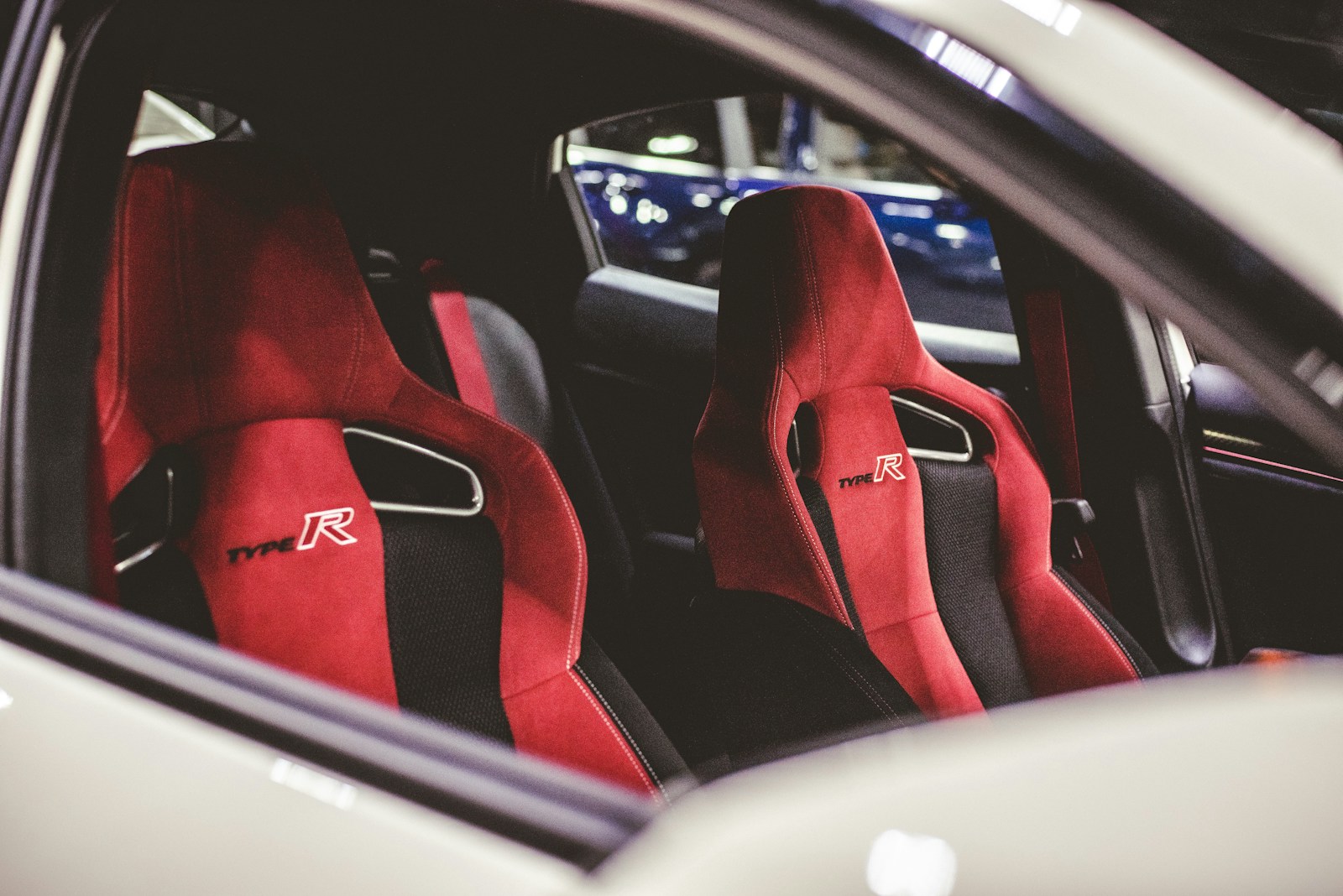
Photo by Devon Divine on Unsplash
Why Cloth Seats Get Dirty So Easily
Unlike leather or vinyl, which allow liquid to bead up on the surface, cloth seats are absorbent. Think of your car seats like a sponge. The fabric is woven, which creates thousands of tiny hiding spots for dirt and liquid to settle into.
When you spill a drink, it doesn’t just sit on top; it soaks into the foam cushion underneath the fabric car seats. This is where the real trouble begins.
In Germantown, we have to deal with significant humidity. When moisture—whether from a spilled soda, a wet swimsuit, or even just sweat—gets trapped in your car’s fabric seats, it creates the perfect breeding environment for bacteria. This is often the source of that “stale” smell that won’t go away, or worse, mildew and mold growth.
Beyond liquids, we also see a buildup of dry debris. Dust, skin cells, and pollen settle into the fibers every time you open the door. Over time, this acts like sandpaper, wearing down the fibers of your upholstery and making the seats look dull and aged.
Regular care prevents these temporary messes from becoming permanent stains. By addressing spills quickly and vacuuming regularly, you prevent dirt from being ground deeper into the foam.
Step-by-Step: How to Clean Cloth Car Seats
If you are ready to tackle the job yourself, follow this process carefully. We see many well-intentioned car owners accidentally make stains worse by scrubbing too hard or using the wrong products. Here is the safest method to refresh your interior.
Step 1: Vacuum Thoroughly
Before you apply any liquid, you must remove the dry mess. If you add water to dust and dirt, you simply create mud, which will push the stain deeper into the fabric.
Grab a high-powered vacuum and go over every inch of the seats. Pay special attention to the seams where the back meets the bottom cushion. This is where the majority of debris and all the dirt collects.
Use a crevice tool attachment to get into the tight spaces between the seat and the center console. Don’t forget to vacuum the entire car interior surrounding the seats as well—floor mats and carpets can transfer dust back onto your freshly cleaned seats if they aren’t addressed.
Pro Tip: Tap the seat cushion firmly with your hand while vacuuming. This helps bounce settled dust up to the surface so the vacuum can catch it.
Step 2: Spot Test Your Cleaning Solution
This is the most skipped step, and it is also the most dangerous one to skip. Before you spray any cleaning solution on a stain, you must ensure it won’t bleach or fade your fabric.
Find a hidden area or inconspicuous area of the seat—usually the side of the seat base near the door or the very bottom edge of the fabric. Apply a small amount of your cleaner and wait a few minutes. Blot it with a white towel. If color comes off on the towel or the fabric looks discolored, do not use that product.
For a safe DIY solution, you can mix a few drops of mild dish soap with warm water. Avoid hot water, as heat can sometimes set certain protein-based stains (like milk or blood). If you are buying a store-bought upholstery cleaner, ensure it is specifically made for fabric seats.
Step 3: Light Agitation — Not Heavy Scrubbing
Once you have applied your cleaner to the stain, patience is key. Let the chemistry do the work. Spray the solution lightly and let it sit for a minute or two to break down the grime.
Next, use a soft upholstery brush or a clean microfiber towel to agitate the area. Use a gentle, circular motion. You are trying to lift the stain out of the fibers, not push it down.
Be careful with delicate fabrics. Aggressive scrubbing can cause the fabric to pill or fuzz, leaving permanent texture damage even if the stain is gone. For stubborn stains, it is better to repeat the light process multiple times than to scrub hard once.
Step 4: Control Moisture Carefully
The number one mistake DIYers make is soaking the seats. You want the fabric to be damp, not wet.
Use a spray bottle to apply a light mist. If you saturate the seat, the liquid sinks into the foam cushion. In our Germantown climate, drying out deep foam can take days. If that deep moisture sits there too long, you risk mildew or mold developing inside the seat.
If you accidentally apply too much liquid, act fast. Use a wet-dry vac to extract the liquid, or press dry towels firmly into the spot to soak it up. Remember: clean the surface, not the cushion.
Step 5: Proper Drying Is Critical
Once the cleaning is done, you cannot just lock the car and walk away. You must allow the seats to dry completely before closing the doors.
Take a clean, dry towel and blot the seats one last time to remove any remaining dampness. Then, park the car in a sunny spot (if possible) and leave the windows or doors open to encourage airflow.
If you have a garage, setting up a portable fan blowing across the interior helps significantly. You want to air dry the fabric as quickly as possible. Never sit on a damp seat, as your clothes can transfer dyes back onto the upholstery, and the pressure will push moisture back down into the foam.
7 Top Cleaner Products For Fabric Car Seats
If you decide to handle the cleaning yourself, using the right product is half the battle. While we use professional-grade industrial solutions at Love My Car, there are several high-quality consumer products available that can help you maintain your vehicle between full details.
Here are a few top-rated cleaners safe for most cloth seats:
- Chemical Guys Lightning Fast Stain Extractor: Known for breaking down tough stains quickly without vigorous scrubbing. It contains odor-eliminating agents, which are great for pet owners. Visit Chemical Guys
- Meguiar’s Carpet & Upholstery Cleaner: A trusted name in car care, this foam cleaner lifts stains to the surface and dries quickly without leaving a sticky residue. Visit Meguiar’s
- Tuff Stuff Multi-Purpose Foam Cleaner: An affordable classic. The foaming action helps lift dirt out of the fabric weave effectively. Great for general maintenance. Visit Tuff Stuff
- Turtle Wax Power Out! Upholstery Cleaner: This product comes with a detachable brush cap, which is handy for agitation. It is formulated to eliminate odors rather than just masking them. Visit Turtle Wax
- Blue Coral Upholstery Cleaner: A heavy-duty option that is excellent for specific spot stains like coffee or grease. It has a proven track record for tough grime. Visit Blue Coral (AutoZone)
- Adam’s Polishes Carpet & Upholstery Cleaner: A non-foaming, non-toxic formula that is safe for skin and eco-friendly. It’s excellent for families with young children. Visit Adam’s Polishes
- Griot’s Garage Interior Cleaner: This is a mild, dye-free, and fragrance-free cleaner. It is perfect if you are sensitive to strong chemical smells or have very delicate vintage fabrics. Visit Griot’s Garage
Common Mistakes to Avoid When Cleaning Fabric Seats
Even with the best products, things can go wrong. We often see customers bring their vehicles in for a deep clean after a failed DIY attempt. Here are the pitfalls to watch out for to ensure you actually clean car seats rather than ruin them.
- Using Too Much Water: We cannot stress this enough. Water rings happen when you spot clean one area and leave the surrounding fabric dry. The dirt migrates to the edge of the wet spot and leaves a dark ring as it dries. To avoid this, you often need to lightly dampen the entire panel (seam to seam) rather than just the spot.
- Using Household Glass or Surface Cleaners: Products containing ammonia or bleach should never touch your cloth seats. They can weaken the fibers and cause patchy discoloration that is impossible to fix.
- Skipping the Vacuum: If you scrub wet fabric that hasn’t been vacuumed, you are essentially grinding wet dust into a paste. This creates a dingy look that makes the seat look older than it is.
- Not Drying Fast Enough: Germantown humidity is no joke. If you leave your windows up after cleaning, that moisture has nowhere to go. It will settle back into the headliner and carpets, leading to a musty car interior.
When to Choose Professional Seat Cleaning in Germantown
Sometimes, a bottle of spray cleaner and a towel aren’t enough. There is a distinct difference between a maintenance clean and a professional deep clean.
If you have scrubbed a stain and it keeps reappearing a few days later, this is called “wicking.” It means the stain is deep in the foam cushion, and as the seat dries, the stain travels back up the fiber wick to the surface. Professional extraction is required to remove the source of the stain from the foam.
You should also consider professional help if you are dealing with odors from smoke, heavy sweat, or pet accidents. These smells live deep in the car interior, and surface cleaning often just masks them temporarily.
Furthermore, if you see any signs of mold or mildew, please do not attempt to clean this yourself without proper protective gear. Inhalation of mold spores in a confined space like a car is a health risk.
At Love My Car, our professional detailing involves controlled moisture extraction. We use heated extractors that inject the solution and immediately vacuum it back out. This flushes the dirt from the fibers and foam without leaving the seat soaking wet. We ensure your clean car is dry, fresh, and safe to drive.
Why We Trust Professional Car Interior Cleaning at Love My Car
We take pride in being a family-owned, local Germantown team. We aren’t a faceless chain; we are part of this community. We understand the specific needs of local drivers, from the commuter trekking down I-270 to the soccer parent hauling gear to the Maryland SoccerPlex.
Our team is experienced with all types of vehicles and fabrics. Whether you have a durable work truck or a luxury sedan with sensitive textiles, we have the right products and techniques to handle it safely. We use high-quality, safe shampoos that are tough on grime but safe for kids and pets.
We know you are busy. That is why we offer flexible scheduling and fast turnaround times. We want to get you back on the road quickly, but with that “new car” feeling.

Show Your Cloth Seats (and Your Car) Some Love
Keeping your cloth seats clean is about more than just appearances; it’s about maintaining the hygiene and value of your vehicle. While DIY care is excellent for weekly maintenance, occasional professional attention ensures that the deep-set grime and allergens are removed for good.
Living in Germantown means your car faces four distinct seasons, each with its own mess. Don’t let the salt, pollen, and humidity take over your interior. Whether you tackle the job yourself or bring it to the pros, your car deserves a little attention.
If you are ready to see a transformation, we are here to help.
Make Your Car Shine Today.
Book Your Full Detail Appointment or stop by our center on Walter Johnson Rd. Let us show you why we are Germantown’s highest-rated car wash.