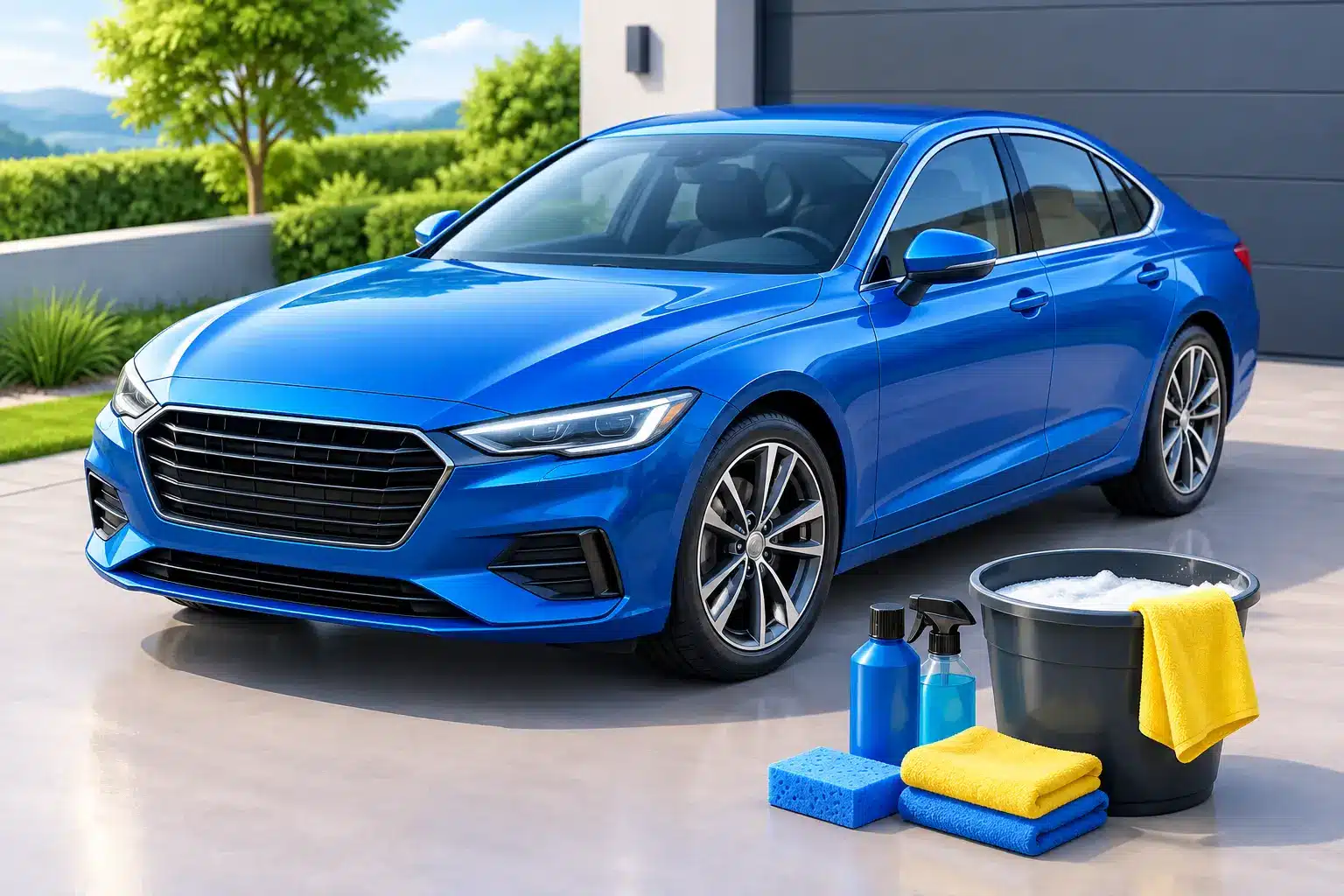
A clean car has a way of changing the whole drive. The finish catches the light, the wheels look sharper, and pulling into work, school, or the grocery store simply feels better. Smart exterior paint care keeps that feeling going while helping protect one of the most visible and valuable parts of your vehicle.
For drivers in Germantown and throughout Montgomery County, paint protection is not just about a showroom shine. Maryland weather brings spring pollen, humid summer sun, falling leaves, winter road salt, and plenty of everyday road grime. Those things do not always cause damage overnight, but leaving them on the surface for weeks can slowly dull a vehicle’s finish.
Why Exterior Paint Care Matters
Your vehicle’s colored paint is covered by a clear coat designed to add gloss and provide a layer of protection. That clear coat faces a lot every time you drive: UV exposure, dust, bug residue, bird droppings, tree sap, brake dust, construction debris, and splashes from wet roads.
Some contaminants are more than cosmetic. Bird droppings and bug splatter can be acidic, especially when they bake in the sun. Tree sap can harden and stick tightly to the finish. Road salt may collect around lower body panels and wheel areas, where moisture can linger. The longer these materials sit, the more work it can take to remove them safely.
Regular washing helps prevent buildup before it becomes a bigger problem. It also gives you a chance to notice fresh scratches, paint chips, or other concerns while they are still small. For many drivers, consistent wash visits are the easiest foundation for keeping a vehicle looking cared for without turning Saturday into a driveway project.
Build an Exterior Paint Care Routine Around Your Driving
There is no single wash schedule that works for every car. A commuter who drives daily on I-270, parks outside, and travels through construction zones will usually need more frequent care than a garage-kept vehicle driven mainly on weekends.
As a practical starting point, aim to wash your vehicle every one to two weeks. Increase that frequency after snow and salted roads, a heavy pollen stretch, a long road trip, or parking under sap-dropping trees. If your car looks dusty but has no stuck-on residue, a normal exterior wash may be all it needs. If the paint feels rough, looks hazy, or no longer beads water, it may be time for a more focused service.
Busy families and commuters often get the best value from an unlimited wash membership because it makes regular care easy to keep up with. There is less pressure to wait until the car looks terrible. A quick visit after errands or on the way home can stop everyday grime from becoming a weekend chore.
Wash Sooner After These Situations
Do not wait for your usual schedule if your car has been exposed to a messy or potentially damaging contaminant. Prompt washing is especially helpful after:
- Winter driving on salted or slushy roads
- Heavy bird droppings, bug splatter, or tree sap
- A beach trip, muddy roads, or dusty construction areas
- A large pollen event or several days parked outdoors
If you spot bird droppings or sap, remove them as soon as you reasonably can. Use a clean, wet microfiber towel and gentle pressure rather than dry rubbing. Rubbing dry debris across paint can create fine scratches.
The Difference Between Washing, Waxing, and Detailing
A regular exterior wash removes loose dirt, dust, and road film. It is the dependable maintenance service that keeps the vehicle presentable and reduces the amount of grime sitting on the paint. For most vehicles, this is the service you will use most often.
Wax adds a protective layer that can improve shine and help water sheet or bead off the surface. Hand-applied wax is a good option for owners who want a refreshed finish and seasonal protection without committing to a longer-term coating. It can be particularly useful before summer sun exposure or after a demanding winter.
Clay bar treatment goes a step further. Even after washing, paint can feel rough because tiny bonded contaminants remain on the surface. A clay bar treatment is designed to lift that embedded residue so the paint feels smoother. It is often paired with wax because a clean, smooth surface gives protection products a better foundation.
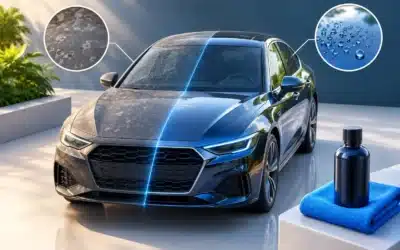
Ceramic coating is a more substantial professional protection option. It is not a force field against rock chips or deep scratches, and it does not mean a vehicle never needs washing. What it can do is provide longer-lasting surface protection, enhance gloss, and make routine cleanup easier when properly maintained. The right choice depends on your budget, how long you plan to keep the vehicle, where it is parked, and how much time you want to spend on upkeep.
Avoid the Habits That Create Swirls and Dullness
Many paint issues come from good intentions paired with the wrong tools. A dusty car can be tempting to wipe down quickly with a dry towel, sleeve, or paper towel. That friction can drag grit across the clear coat and leave fine swirl marks that show up in sunlight.
Be careful with parking lot brushes and old sponges, too. If they hold trapped dirt, they can scratch the finish. For touch-ups between washes, use clean microfiber materials and a product made for safe surface cleaning. When the vehicle is truly dirty, a proper wash is safer than trying to spot-clean the entire car.
Automatic washes are a practical choice for many drivers, particularly when they are maintained and designed for vehicle-safe cleaning. The trade-off is that no wash method can prevent every mark over years of driving. If your vehicle has delicate paint, existing paint correction work, or a premium coating, ask about the wash and detail approach that fits its condition.
Do Not Forget the Parts Around the Paint
A polished hood will not have the same impact if the wheels are coated in brake dust or the lower panels are streaked with grime. Wheel detailing, tire cleaning, and attention to door jambs help give the entire vehicle a finished look. These areas also collect road salt and moisture, so they deserve extra care during winter.
Headlights matter, too. Cloudy lenses can make an otherwise clean vehicle look older and may reduce nighttime visibility. Headlight restoration can improve their appearance and support safer driving when standard washing is no longer enough.
Paint care also works best when small concerns are handled early. If you notice a fresh rock chip, deep scratch, peeling clear coat, or rust-colored spot, do not assume a wax service will fix it. Cleaning and protecting the area is still helpful, but paint damage may require repair work beyond routine detailing.
Choose Care That Fits the Season
Spring is a good time to clear away pollen, salt residue, and winter grime. Summer calls for consistent washing because UV exposure, bugs, and sap can sit on hot paint. Fall brings leaves, moisture, and debris around trim and wiper areas. In winter, frequent washing is less about shine alone and more about removing salt from paint, wheels, and lower panels.
A professional detail can be especially worthwhile when the seasons change or when your vehicle has been neglected for a while. At Love My Car Carwash, options such as clay bar and wax treatments, hand-applied wax, wheel detailing, and ceramic coating can help match the service to the condition of your vehicle instead of treating every car the same way.
Your car does not need to be perfect to deserve care. A regular wash, prompt cleanup after a messy day, and the right protective service at the right time can keep the finish looking brighter for years. When your car looks good, you feel good – and that is a great way to start every trip.