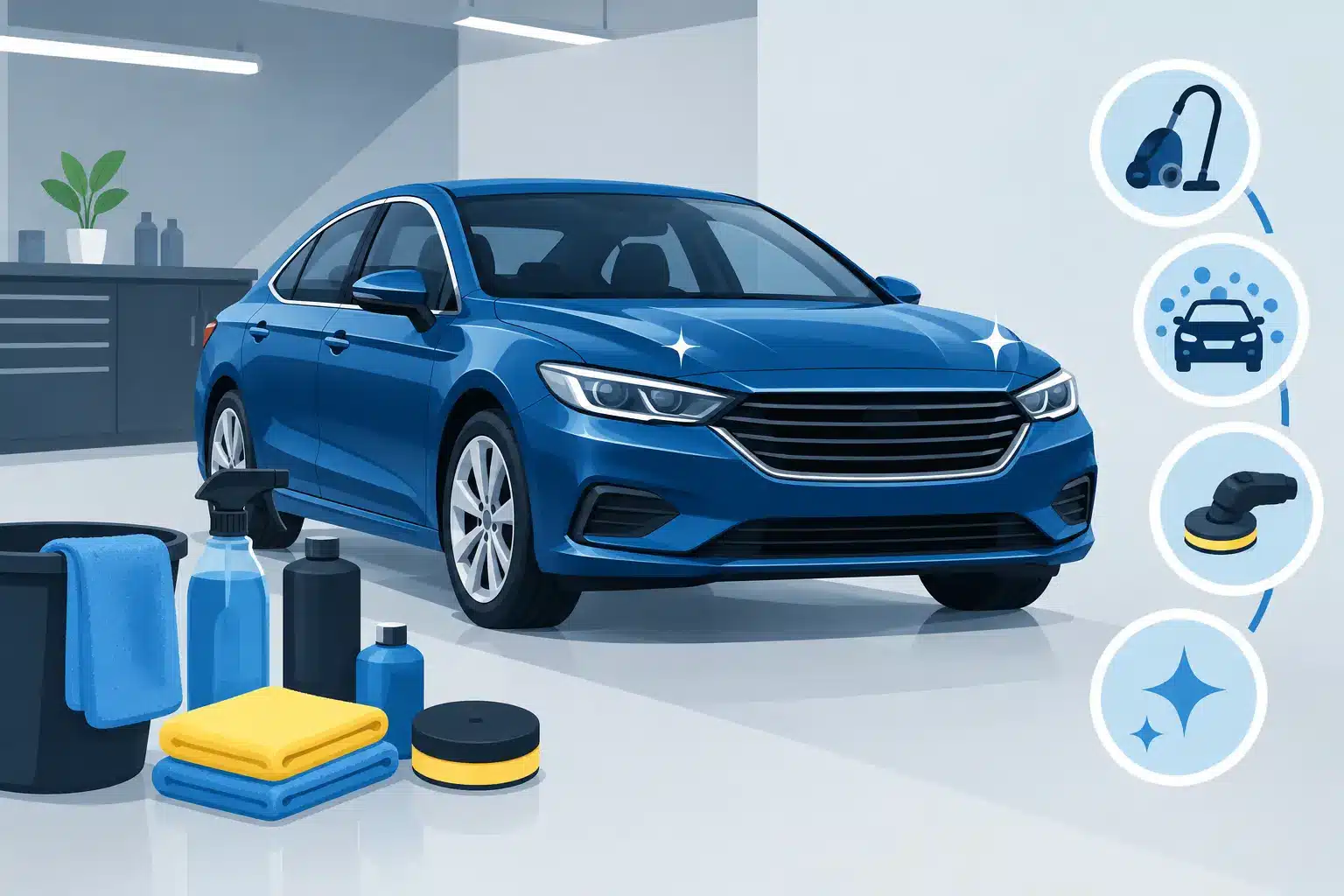
A buyer can overlook a few miles on the odometer. They are much less likely to overlook sticky cup holders, cloudy headlights, pet hair, or a lingering fast-food smell. The best pre-sale detailing steps help your vehicle show that it has been cared for, making it easier for a buyer to picture themselves driving it home.
A clean car will not hide mechanical problems, and it should not. What it can do is remove distractions, improve your listing photos, and support a fair asking price. Whether you are trading in a commuter sedan, selling a family SUV, or moving on from a well-loved truck, focused detailing can make a real difference.
Best Pre-Sale Detailing Steps That Buyers Notice
Start with the things a buyer sees and touches first. Your goal is not to make an older vehicle look brand-new. It is to present it honestly, cleanly, and with the kind of care that builds confidence from the first walk-around.
Empty the car completely
Before any cleaning begins, remove personal items from the cabin, trunk, glove box, center console, door pockets, and seat-back compartments. Do not forget toll transponders, registration paperwork, garage remotes, spare phone chargers, and items tucked under the seats.
A clean, empty interior makes the vehicle feel larger and better maintained. It also protects your privacy. Keep ownership documents and maintenance records organized separately so you can show them when a serious buyer asks.
Wash away the obvious evidence of daily driving
A proper exterior wash is the foundation of a strong presentation. Road film, pollen, brake dust, bug residue, and winter grime can make even a well-maintained vehicle look neglected. Clean the paint, glass, mirrors, wheel faces, tires, door jambs, and the area around the fuel door.
Pay special attention to the spots buyers inspect up close: behind door handles, around the trunk opening, lower rocker panels, and the edges of the hood. These small areas collect dirt quickly and can quietly make a car feel less cared for.
For drivers around Germantown and Montgomery County, seasonal pollen and road salt are especially worth addressing before photos or a showing. A fresh wash gives the exterior its best starting point and makes it easier to see what needs more attention.
Clean the wheels and dress the tires carefully
Wheels can change the whole look of a vehicle. Built-up brake dust makes a car look older than it is, while clean wheels create a sharper, more finished appearance. Clean the wheel faces, barrels that are visible through the spokes, and lug-nut areas.
Tire dressing can help, but moderation matters. Tires should look clean and conditioned, not dripping or overly glossy. Excess shine can sling onto paint, attract dust, or look like you are trying too hard to hide worn rubber.
Bring clarity back to the glass and headlights
Streak-free windows matter for both listing photos and test drives. Clean the inside and outside of every window, the windshield, rear glass, side mirrors, and backup camera lens. Smudges on the inside of the windshield are easy to miss until the sun hits them.
If headlights are yellowed or hazy, restoration can be one of the most worthwhile appearance upgrades before selling. Clear headlights make the front end look fresher and can improve nighttime visibility. If the lenses are cracked or taking on moisture, detailing will not solve that problem, so be straightforward about their condition.
Make the Interior Feel Fresh, Not Masked
The interior is where a buyer spends time. A clean exterior earns attention, but a fresh cabin often decides how a buyer feels about the vehicle after they sit behind the wheel.
Vacuum carpets, floor mats, seats, trunk carpeting, and crevices around the console. Move the front seats forward and back to reach the areas beneath them. Use a careful approach around seat tracks, electronic controls, and delicate trim.
Then clean high-touch surfaces such as the steering wheel, shifter, dashboard, door panels, seat belts, cup holders, and screen controls. These are the areas that tell buyers the most about everyday ownership. A dusty dashboard or sticky cup holder may seem minor, but it can create doubts about how the rest of the vehicle was maintained.
Address stains and odors at the source
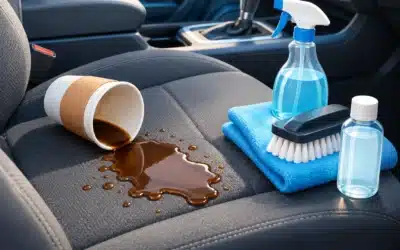
A light surface wipe is not enough for noticeable stains, pet hair, smoke odor, or spilled drinks. Shampooing carpets and cloth seats, deep-cleaning upholstery, and treating odor sources can make a dramatic improvement when done properly.
Avoid covering odors with heavy air freshener. Buyers tend to notice when a strong fragrance is trying to hide something, especially smoke, mildew, or pet odors. A neutral, clean smell is the better goal. If an odor keeps returning, professional odor removal may be worth the investment before you list.
Leather seats need a different approach from cloth. Clean and condition leather with products suited to automotive upholstery, but do not leave the surface slick. A conditioned seat should feel clean and comfortable, not greasy.
Decide What Is Worth Fixing Before You Sell
Detailing has a strong return when it improves first impressions, but not every cosmetic issue deserves an expensive repair. The right choice depends on the age, value, and expected selling price of your vehicle.
Small paint contamination, dull finish, light swirl marks, and minor scuffs may respond well to clay treatment, polishing, or a hand-applied wax. These services can add depth and shine while helping the paint look more consistently cared for. A ceramic coating, however, is usually a better fit for an owner planning to keep the vehicle rather than someone selling it immediately. Its value may not be fully reflected in a private-party sale or trade-in offer.
Major dents, peeling paint, torn upholstery, cracked glass, warning lights, or mechanical concerns are different. Get an estimate, then compare the cost with the likely value gained. Sometimes repair is worthwhile; sometimes clear disclosure and sensible pricing make more financial sense.
Engine cleaning also requires judgment. A lightly cleaned engine bay can look tidy, but aggressive cleaning is not necessary for every sale and should be done carefully around electrical components. A buyer may appreciate a clean engine compartment, yet an unusually spotless engine can also prompt questions if it appears to be hiding a leak. Clean, dry, and believable is the right standard.
Prepare for Photos and Buyer Appointments
Once detailing is complete, protect the work. Avoid parking under trees, eating in the car, or using it for a muddy weekend project before photographs and showings. If you need to keep driving it, a quick exterior wash and interior touch-up can preserve that feel-good, ready-to-sell look.
Take photos in soft daylight after the vehicle is clean and dry. Include wide exterior shots, each side, the front and rear, wheels, seats, dashboard, cargo area, and any standout features. Photographing the car immediately after professional detailing usually gives you the strongest results.
For a private sale, have clean floor mats in place, a spare key ready, and maintenance records available. During a test drive, buyers will notice the scent, visibility through the glass, feel of the steering wheel, and condition of the seats. Those details shape trust long before they begin discussing price.
When Professional Detailing Makes Sense
If your car only needs a quick cleanup, a full-service wash, vacuum, and glass cleaning may be enough. If it has embedded dirt, stains, pet hair, dull paint, odors, cloudy headlights, or neglected wheels, a professional detail can save time and create a much stronger presentation.
Love My Car Carwash can help sellers choose practical services based on the vehicle’s condition, from a thorough interior refresh to exterior treatments, headlight restoration, odor removal, and deeper detailing. The best choice is the one that improves the car’s presentation without spending more than the sale is likely to return.
Selling a car can feel like one more item on a long to-do list. Give yourself the advantage of a vehicle that looks clean, feels cared for, and lets buyers focus on what they like about it. When your car looks good, you feel good handing over the keys.