Car battery corrosion is a common problem that can affect your vehicle’s performance and reliability. Left unchecked, corrosion can lead to poor electrical connections, reduced battery life, or even complete battery failure. Fortunately, cleaning car battery corrosion is a simple process that can save you time, money, and frustration.
This guide will walk you through everything you need to know about how to clean car battery corrosion safely and effectively. You’ll learn to spot the signs of corrosion, understand its causes, follow a step-by-step cleaning process, and take steps to prevent future buildup.
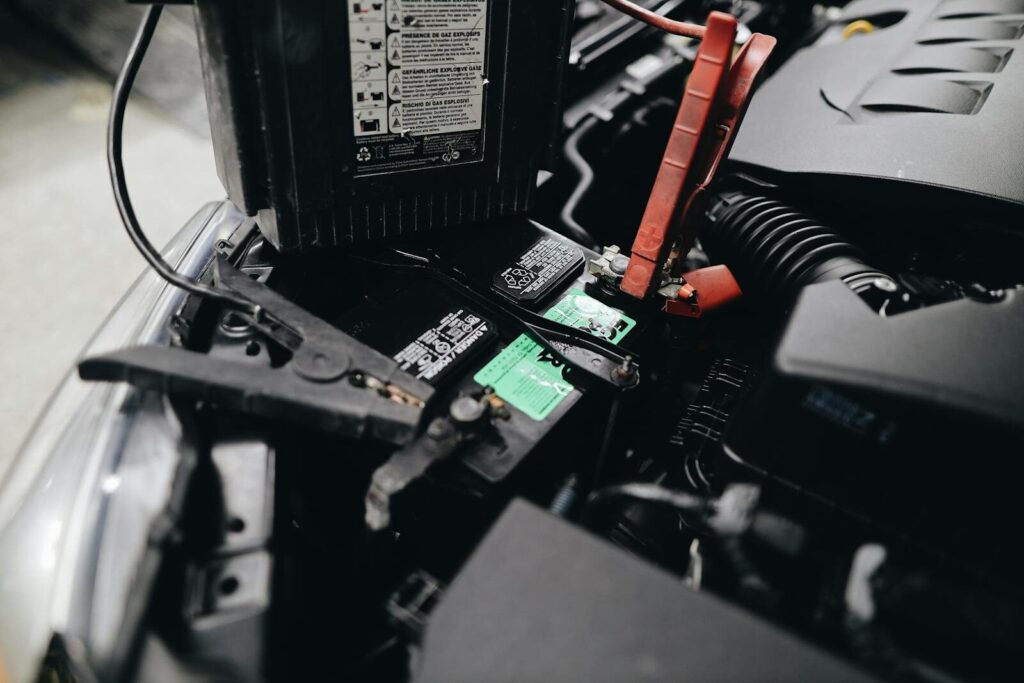
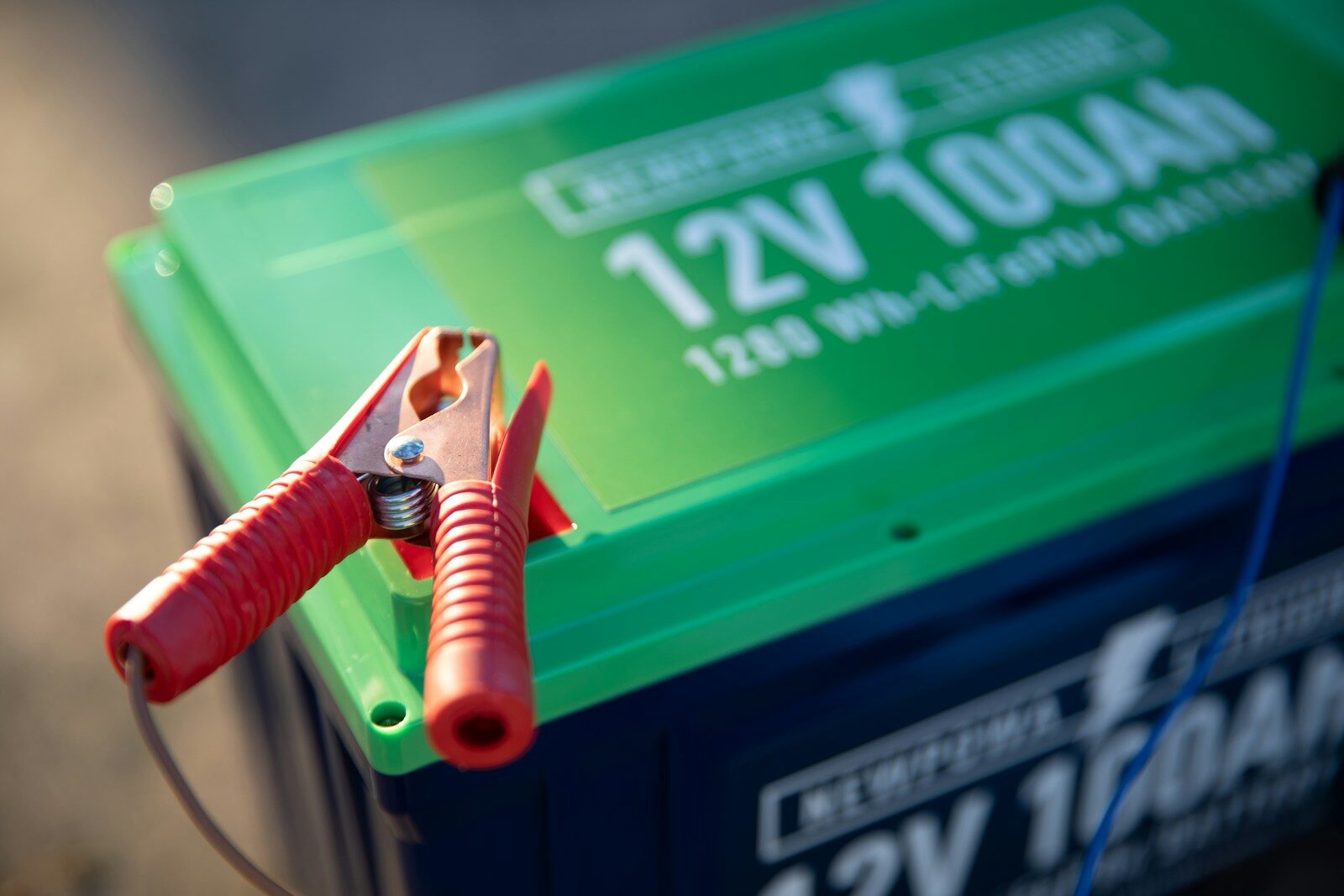
Photo by Julia Avamotive on Pexels
Why It’s Important to Maintain Your Car Battery and Choose a Quality One
Proper car battery maintenance and investing in a quality battery are essential for a variety of reasons that impact your vehicle’s performance, safety, and longevity. Here are the key reasons why keeping your car battery in top shape should be a priority:
1. Reliable Engine Starts
Your car battery provides the initial power needed to start your engine. A poorly maintained battery or a low-quality one can lead to difficulties starting your vehicle, especially during cold weather when more power is required. Regular maintenance ensures it holds enough charge to keep you moving without delays.
2. Prevent Costly Repairs
Neglecting your battery can result in corrosion or unnoticed damage that affects other components of your vehicle. Corroded terminals can disrupt the flow of power, potentially damaging electronics or affecting the alternator. Regular cleaning and monitoring save you from costly repairs later.
3. Enhanced Vehicle Performance
A quality car battery ensures that all electrical systems, from headlights to infotainment systems, run smoothly. Weak or failing batteries can cause dim lights, malfunctioning accessories, and inconsistent performance, reducing the comfort and functionality of your drive.
4. Prolonged Battery Life
Consistent maintenance, like checking fluid levels and cleaning terminals, prolongs the life of your battery. This means fewer replacements over time, saving you money and reducing waste. A high-quality battery combined with regular upkeep will perform better and last longer.
5. Avoid Being Stranded
Few situations are as frustrating as a car that won’t start when you need it most. A well-maintained and reliable battery significantly reduces the risk of being stranded due to unexpected failure, providing peace of mind during your travel.
6. Environmental Responsibility
Maintaining your car battery ensures efficient charging and usage, which minimizes energy waste. Additionally, by extending the life of your battery, you reduce the frequency of replacements, contributing to less environmental impact and fewer discarded batteries.
By making car battery maintenance a habit and selecting a top-quality product, you can enjoy better performance, avoid unnecessary headaches, and ensure the longevity of your vehicle’s key systems.
Understanding Car Battery Corrosion
What is Car Battery Corrosion?
Car battery corrosion usually appears as a whitish, bluish, or greenish residue on the battery terminals, posts, and cables. This crusty buildup forms as a result of chemical reactions inside and around the battery. It primarily occurs on the battery’s positive terminal but may appear on the negative terminal as well.
What Causes A Corroded Car Battery?
Car battery corrosion is a common issue that can negatively impact the performance and lifespan of your vehicle’s battery. Understanding the causes of this problem can help prevent it and ensure your battery remains in optimal condition. Here are the most common causes of a corroded car battery:
Exposure to Battery Acid
Corrosion often occurs when battery acid leaks from the terminals. This leakage can happen due to overfilling the battery or when the battery casing is damaged. The acid reacts with surrounding materials, leading to the buildup of a white or bluish powdery substance.
Overcharging the Battery
Overcharging can cause the battery fluid to overheat and expand, pushing acid out through vents or cracks. The excess acid then reacts with the battery terminals or connectors, resulting in corrosion.
Age of the Battery
Older batteries are more prone to corrosion as they naturally degrade over time. Worn-out components, reduced efficiency, and consistent exposure to the elements contribute to the buildup of corrosive residue on the terminals.
Electrolyte Evaporation
Extreme temperatures or prolonged use can cause the battery’s electrolyte to evaporate. This increases the likelihood of acid exposure near the terminals, which facilitates corrosion.
Improper Maintenance
Neglecting routine maintenance, such as cleaning the battery terminals, can lead to the accumulation of grime and deposits. Over time, this creates a favorable environment for corrosion to form.
Poor Terminal Connections
If the battery terminals are loose or not securely connected, it increases electrical resistance. This can generate heat and allow corrosive deposits to develop more easily around the terminals.
By understanding these causes and addressing them through proper maintenance, you can extend the life of your car battery and prevent unnecessary breakdowns. Regular inspections, proper charging, and keeping the battery terminals clean are simple yet effective ways to reduce the risk of corrosion.
Identifying Corrosion Buildup
Inspect your car battery regularly. Look for white, powdery buildup on the terminals, cables, and surrounding areas. Corrosion may also cause poor engine start-up, flickering dashboard lights, or intermittent electrical issues in your car.
Safety Precautions Before Cleaning
Cleaning car battery corrosion involves dealing with potentially hazardous substances like battery acid and hydrogen gas. Always take the following safety precautions:
- Wear Protective Gear: Use safety goggles, gloves, and old clothes to protect your eyes, skin, and clothing from harmful chemicals.
- Work in a Well-Ventilated Area: Hydrogen gas is highly flammable, so clean the battery in an open space or a well-ventilated garage.
- Avoid Contact with Skin: Battery acid can cause burns on contact with your skin.
Tools and Materials You’ll Need
To start, gather these items to ensure the cleaning process goes smoothly:
Required Tools
- Wire brush
- Battery terminal cleaner or an old toothbrush
- Wrench or pliers
Cleaning Materials
- Baking soda
- Clean water (or hot water for heavy buildup)
- Clean cloths or paper towels
- Dielectric grease for corrosion prevention
Optional Materials
- Coca-Cola (for a quick, alternative cleaning solution)
- Battery terminal protector spray
Step-by-Step Guide to Cleaning Car Battery Corrosion
- Turn Off the Engine: Ensure your car is parked safely and the engine is off. Remove the keys and engage the parking brake.
- Disconnect the Battery: Use a wrench to disconnect the negative cable first, followed by the positive cable. This order prevents accidental short circuits.
- Inspect the Battery: Check for cracks, leaking acid, or other signs of physical damage. Replace the battery if necessary.
Step 2: Clean the Corroded Battery Terminals and Battery Posts
- Make a Cleaning Solution: Mix two tablespoons of baking soda into one cup of clean water to create a cleaning paste.
- Apply the Solution: Using an old toothbrush or wire brush, spread the baking soda solution onto the corroded terminals and posts.
- Scrub Thoroughly: Gently scrub the corrosion off using circular motions. The baking soda and water will react with the acid, neutralizing it and creating foam.
- Rinse and Dry: Pour clean water over the terminals to wash away the residue. Dry the area completely with a cloth to prevent moisture buildup.
Step 3: Try Alternative Cleaning Methods (Optional)
- Commercial Battery Cleaner: Use a store-bought battery cleaner spray for quicker results.
- Coca-Cola: Pour Coca-Cola over the corroded areas and scrub lightly. The phosphoric acid in Coke can dissolve minor corrosion.
Step 4: Clean Battery Cables and Clamps
- Remove Residue: Disconnect the cable ends and scrub them with your baking soda solution or wire brush.
- Rinse and Dry: Rinse the cables with clean water and dry them thoroughly to avoid rusting.
Step 5: Clean the Battery Compartment and Casing
- Remove Debris: Clear out dirt or debris from the battery tray.
- Wipe the Casing: Use a damp cloth and the baking soda solution to clean the battery’s exterior casing. Rinse and dry thoroughly.
Step 6: Reattach the Battery
- Reconnect the Cables: Attach the positive cable first, followed by the negative cable, and make sure the connections are secure.
- Apply Dielectric Grease: Coat the terminals with dielectric grease to prevent future buildup.
- Start the Car: Test the battery by turning on the ignition and checking for any warning lights.
Preventing Future Corrosion
You can extend the life of your car battery and avoid repeated cleaning by following these tips:
- Regularly inspect the battery terminals for early signs of corrosion.
- Apply dielectric grease or a terminal protector spray to prevent buildup.
- Keep the battery top dry and free from dirt and moisture.
- Ensure the battery is securely mounted to reduce vibration.
- Avoid overcharging your battery to minimize acid leaks.
Common Mistakes to Avoid
- Skipping safety precautions like wearing gloves and goggles.
- Disconnecting the positive cable first, which can cause sparks.
- Over-scrubbing the terminals, which may damage the metal.
- Using too much force when tightening the cables.
- Forgetting to apply dielectric grease, leaving your terminals exposed to future corrosion.
Common Batteries and Brands
When replacing your car battery, it’s important to choose a reliable and high-performing option. Below is a list of just a few of the many options available for a car battery!
- Bosch Batteries: Bosch is a reputable name for advanced and energy-efficient car batteries, offering models designed to maintain performance in extreme weather. Visit Bosch Auto Parts Website
- EverStart Batteries (Walmart): EverStart provides a budget-friendly option backed by solid performance and warranty, available conveniently at Walmart. Walmart Automotive Batteries (EverStart)
- Optima Batteries (Optima RedTop and YellowTop): Optima Batteries are renowned for their durability and innovative SpiralCell technology, designed for both starting and deep-cycle performance. Visit Optima Batteries Website
- DieHard Batteries: DieHard batteries are a trusted name in the automotive industry, offering exceptional power and reliable cold-cranking amps for all-weather performance. Visit DieHard Website
- Odyssey Batteries: Odyssey provides long-lasting batteries with superior deep-cycle capabilities, making them ideal for heavy-duty vehicles and extreme conditions. Visit Odyssey Batteries Website
- ACDelco Batteries: ACDelco is a globally-known brand by GM that delivers maintenance-free batteries with advanced technology for longer life and consistent performance. Visit ACDelco Website
- Exide Batteries: Exide offers a variety of affordable, high-performing automotive batteries that cater to different vehicle needs, including advanced AGM options. Visit Exide Technologies Website
By considering these trusted brands, you can find a battery that matches your vehicle’s specifications and provides reliable performance.
Bring Your Car to Love My Car Car Wash – You Handle the Battery, We’ll Handle the Rest!
With your clean and corrosion-free battery ready to go, it’s time to give the rest of your car the attention it deserves. Bring your vehicle to our professional team, and we’ll take care of the wash and detailing while you handle maintaining your battery.
From a sparkling exterior to a refreshed interior, we ensure every inch of your car shines like new. Our meticulous detailing experts use top-quality products and techniques to deliver results that leave your car looking and feeling its best. Together, let’s keep your vehicle in peak condition—inside, outside, and under the hood!
Keep Your Car Battery in Top Shape | How to Clean Car Battery Corrosion
Cleaning and maintaining your car battery is an essential task that ensures your vehicle runs smoothly. By following this guide on how to clean battery corrosion, you can protect your battery from damage, improve its performance, and save money on costly repairs.
Don’t wait for corrosion to affect your car’s reliability; a little effort today can go a long way in extending the life of your battery. Happy cleaning!