Do you know how to get stains out of car seats effectively and safely?
I see stained car seats every day. From the morning coffee spill during a rush hour commute to the aftermath of a toddler’s juice box explosion, spills are an inevitable part of owning a vehicle. I’ve seen grease marks from fast food, muddy paw prints, and mystery stains that have been baking in the sun for months.
While a car is meant to be driven, the state of your interior plays a massive role in how you feel while driving it. A clean interior isn’t just about aesthetics; it improves your comfort, eliminates distracting odors, and significantly helps maintain your vehicle’s resale value. When your car looks good, you feel good—it’s that simple.
The good news is that you don’t always have to panic when a spill happens. Many stains can be tackled right in your driveway with a little patience and the right technique. However, it is important to know your limits. While some messes are DIY-friendly, others require professional intervention to prevent permanent damage or mold growth.
As a family-owned business here in Germantown, MD, we want you to drive away feeling clean and confident. Whether you are tackling a DIY cleanup or bringing it in for our Seat Express service, this guide will help you understand exactly how to handle those pesky interior stains.
How to Get Stains Out of Car Seats (Start With the Basics)
Speed is your best friend when it comes to stain removal. The longer a substance sits on your upholstery, the deeper it seeps into the fibers or pores of the material. A fresh spill is an annoyance; a set-in stain is a project.
Before you apply any cleaners, you need to prep the area. Skipping these steps is a recipe for pushing the dirt deeper into the seat foam.
Step-by-Step Basics:
- Vacuum First: You must remove loose dirt, crumbs, dust, and debris from the entire seat—not just the stained area. If you wet a dirty seat, you are essentially creating mud that will leave a larger, darker ring once it dries.
- Blot Excess Moisture, Don’t Scrub: If the spill is fresh, grab a clean towel and blot up as much excess moisture as possible. Scrubbing immediately can damage the fabric nap or spread the stain outward.
- The Spot Test: This is the most skipped step, but it is crucial. Always test your cleaning product on an inconspicuous area (like the side of the seat near the door or under the front edge) to ensure it doesn’t discolor the material.
Tools I Recommend Keeping on Hand:
- High-quality microfiber cloths (they absorb more than paper towels).
- A soft-bristled brush (a designated detailing brush or even a soft toothbrush).
- A spray bottle with water.
- Resource: For a deeper dive into the essential tools every car owner should have, check out this guide on essential car cleaning tools.
How I Get Stains Out of Cloth Seats
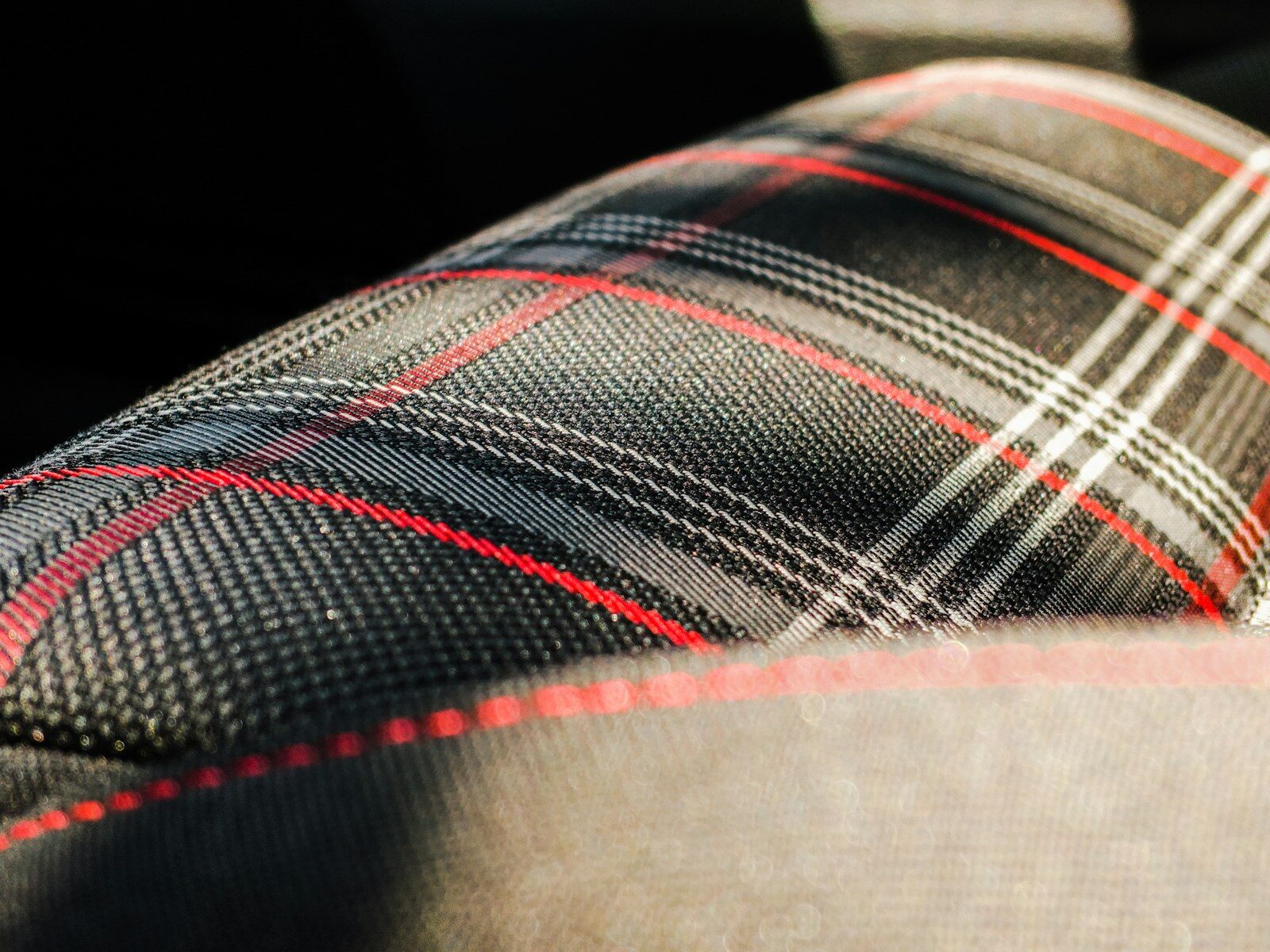
Cloth seats are comfortable and durable, but they are also absorbent. This means liquids soak into the foam padding underneath, which can cause wick-back (where the stain reappears as the seat dries). When cleaning cloth seats, the goal is to lift the stain from the surface without saturating the cushion below.
Common Stains on Fabric
We usually see food spills, grease stains from dropped fries, water rings from rain or snow, and general discoloration from body oils.
DIY Cleaning Methods
The Mild Soap Solution: For general light stains, you don’t need harsh chemicals. Mix a few drops of mild dish soap with warm water in a spray bottle.
- Technique: Lightly mist the stain—do not soak it. Agitate gently with your soft brush, then blot with a dry microfiber cloth. Repeat until the transfer of dirt to the cloth stops.
- Laundry Detergent for Deep Dirt: If the fabric is heavily soiled, liquid laundry detergent can work wonders.
- Technique: Mix a small amount of detergent with hot water. Apply sparingly. Because detergent is concentrated, you will need to rinse the area by blotting with a damp cloth repeatedly to ensure no soapy residue is left behind. Sticky residue attracts more dirt later.
- Dedicated Upholstery Cleaner: For tough stains, a dedicated foaming upholstery cleaner is often safer than mixing your own chemicals. These are designed to lift dirt to the surface.
- Resource: Not sure which fabric type you have? This article on identifying car upholstery types can help you choose the right approach.
When Cloth Seats Need Professional Help
If you are dealing with deep grease stains, ink, or odors that persist after cleaning, it is time to call a professional. Excess moisture trapped in the padding can lead to mold, which is a health hazard. Our Seat Express service ($75) is specifically designed to extract deep-seated dirt that manual scrubbing can’t reach.
Sprinkle Baking Soda: My Go-To Trick for Odors & Light Stains
Baking soda is a powerhouse in the detailing world. It is non-toxic, cheap, and safe for almost all fabric seats. It works by neutralizing pH levels, which helps eliminate odors rather than just masking them.
When Baking Soda Works Best:
- Odors: Cigarette smoke, pet smells, or stale food odors.
- Grease Stains: The powder absorbs oil before it sets.
- Fresh Spills: It helps draw moisture out of the fabric.
How I Use It:
- Identify the stained or smelly area.
- Sprinkle a generous layer of baking soda directly onto the dry fabric.
- Let it sit for at least 15 to 20 minutes. For bad odors, you can leave it overnight.
- Vacuum thoroughly. You will likely see the powder has clumped up as it absorbed the grease or moisture.
Bonus Tip: Keeping a small open box of baking soda in the car can prevent lingering smells from settling in the first place.
Baking Soda Paste for Stubborn Stains
For dried-on food or darker stains on lighter cloth upholstery, a dry sprinkle might not be enough. You need to create a paste to provide a mild abrasive action that lifts grime without damaging the fibers.
How to Make a Baking Soda Paste:
Mix roughly three parts baking soda with one part warm water until it forms a consistency similar to toothpaste.
Application Steps:
- Apply: Smear the paste directly onto the stained area.
- Scrub: Use a soft-bristled brush (a toothbrush is perfect here) to gently work the paste into the fabric. Move in circular motions.
- Wait: Let the paste sit for 30 minutes until it dries out.
- Wipe and Vacuum: Wipe away the dried crust with a damp cloth and vacuum up any remaining residue.
- Air Dry: Ensure the seat dries completely.
What to Avoid:
Do not use too much water when rinsing the paste, and avoid aggressive scrubbing. While baking soda is mild, scrubbing too hard on one spot can cause the fabric to look “fuzzy” or worn compared to the rest of the seat.
What I Use to Remove Stains From Leather Seats
Leather seats require a completely different mindset. Leather is skin. It is durable, but it has pores and can dry out, crack, or discolor if treated with harsh chemicals or stiff brushes.
Why Leather Requires Special Care
Unlike cloth, you cannot “flush” a stain out of leather. You have to lift it from the surface. Bleach, ammonia, and hydrogen peroxide are enemies of leather interiors—they will strip the protective coating and the dye.
Safe Stain-Removal Methods:
- Mild Soap Only: Mix a very mild dish soap with warm water.
- Soft Cloth Only: Never use a scrubbing brush on leather unless it is a specialized horsehair brush. Microfiber is safest.
- Technique: Dip the cloth in the solution, wring it out until it is barely damp, and gently wipe the stain. Dry it immediately with a second clean cloth.
Crucial Step: Conditioning
After cleaning any stain from leather, you have stripped away some of its natural oils. You must apply a leather conditioner afterward to keep the material supple and prevent cracking.
- Resource: Here is a great breakdown of leather conditioning basics to keep your interior looking new.
Enzyme Cleaner: Best for Organic & Tough Stains
Sometimes, soap and water just won’t cut it. If you are dealing with organic messes—specifically pet accidents, milk spills, or vomit—you need an enzymatic cleaner.
What Enzyme Cleaners Are Best For:
These cleaners contain biological enzymes that break down the proteins found in organic matter. This effectively “eats” the stain and the bacteria causing the odor.
How to Apply Enzyme Cleaner Safely:
- Spot Treatment: Spray the cleaner generously on the spot.
- Sit Time: Unlike other cleaners, enzymes need time to work. Follow the bottle instructions, but usually, letting it sit for 10-15 minutes is key.
- Blot and Dry: Blot up the liquid and allow it to air dry.
- Resource: For pet owners, understanding how to clean pet messes safely is essential for a hygienic car.
Steam Cleaner: When You Need a Deeper Cleaning
If you are fighting water rings, widespread grime, or germs, steam cleaning is the gold standard. It uses heat to emulsify dirt and kill bacteria without drenching the seat.
Benefits of Steam:
- Removes Residue: It lifts chemical residues left behind by previous cleaning attempts.
- Sanitizes: The high heat kills bacteria and dust mites.
- Deep Reach: Steam penetrates the fabric pores better than a brush can.
Why Professional Steam Cleaning is Safer
While you can buy handheld steamers, professional-grade machines have stronger suction to remove the moisture immediately after injection. A common DIY mistake is steaming without extracting, which leaves the seat damp and prone to mildew.
- Resource: Read more about the health benefits of steam cleaning, specifically for allergy sufferers.
Mistakes I See People Make When Cleaning Car Seats
In my line of work, I often have to fix the results of well-intentioned DIY cleaning. Avoiding these errors can save you a lot of frustration (and money).
- Using Hot Water on Protein Stains: If you spill milk or get a drop of blood on the seat, never use hot water. Heat “cooks” the protein, setting the stain permanently. Always use cold water for proteins.
- Over-Soaking Seats: This is the #1 enemy of car interiors. If foam padding gets wet, it takes days to dry. This leads to that dreaded “musty car smell.”
- Scrubbing Aggressively: You cannot sand away a stain. Aggressive scrubbing damages the fibers, leaving a fuzzy patch that looks worse than the stain itself.
- Skipping Drying Time: Windows should be left open after cleaning to allow airflow.
- Ignoring Hidden Stains: Spills often run down the side of the seat or into the tracks. If you clean the cushion but miss the crevice, the smell will return.
How to Prevent Future Stains in Your Car
The best way to handle stains is to stop them from setting in the first place. You don’t have to ban food in the car (we know that’s impossible for busy families), but a few habits can help.
Simple Habits I Recommend:
- Regular Vacuuming: Dirt acts like sandpaper on fabric fibers. Vacuuming regularly prevents wear and tear.
- Seat Covers: For rideshare drivers or parents with car seats, waterproof seat covers are a lifesaver.
- Immediate Spot Treatment: Keep a “stain kit” in the trunk with a microfiber towel and a small bottle of upholstery cleaner.
- Resource: Check out these seasonal car care tips to protect your interior from summer sun and winter salt.
Seasonal Tips:
In the summer, sunscreen is a major culprit for staining leather. In the winter, road salt tracked in on coats can leave white rings on upholstery. Treating your leather with a ceramic coating or wax can provide a barrier against these elements.
- Resource: Learn more about protecting car interiors from sun damage.
When I Recommend Professional Car Seat Detailing
Sometimes, a stain is just too stubborn, or life is just too busy. If you have tried the methods above and the spot remains, or if you simply want that “new car” feeling back without the elbow grease, it might be time to call us.
At Love My Car, we specialize in making vehicles look and feel their best. Our Diamond package or a Full Interior Detail doesn’t just clean the surface; we clean the rims, door jambs, windows, and treat the undercarriage.
Signs It’s Time to Call Us:
- Stains persist despite multiple attempts.
- There are lingering odors you can’t identify.
- Your leather looks dry, shiny (which actually means dirty), or cracked.
- You want that showroom look without the showroom price.
We offer specialized services like Carpet Express ($75), Odor Out ($75), and full Interior Detailing starting at $175. We use professional-grade extractors and steamers that are far more powerful than consumer units, ensuring your seats are dry, clean, and sanitized.

Show Your Car Some Love Today
Your car does a lot for you—it gets you to work, hauls the groceries, and carries your family on adventures. It deserves a little TLC. Whether you are tackling a small coffee spot yourself or bringing your SUV in for a deep clean, maintaining your car seats is an investment in your comfort.
Ready to refresh your ride? We are family-owned, community-focused, and ready to serve Germantown. Stop by Love My Car Car Wash & Detail Center today.
Book Your Full Detail Appointment.
Fast, Friendly, and Family-Owned — That’s Love My Car.