A lease return can feel stressful when your vehicle has carried kids, coffee, commutes, grocery runs, and Maryland weather for the last few years. This guide to preparing leased vehicles helps you focus on the areas that make the biggest difference before the inspection – so you can return your car looking cared for and feel good walking away.
The goal is not to make a leased vehicle look brand-new at any cost. It is to clean it thoroughly, address obvious damage early, and understand what your leasing company considers normal wear. A little planning gives you time to choose the right service instead of rushing through a last-minute fix.
Start With Your Lease-End Information
Every leasing company has its own return standards, so pull out your lease agreement or lease-end guide before booking repairs or detailing. Look for information about the vehicle inspection, excess wear charges, mileage, tire requirements, keys, manuals, and required accessories.
Many lenders offer a complimentary pre-return inspection several weeks before turn-in. Take advantage of it when available. It gives you a written view of potential concerns and time to decide whether fixing an issue yourself makes sense. A small windshield chip, worn tire, or cracked light lens may be less expensive to address before turn-in, but that depends on the quoted repair cost and your lease company’s assessment.
Also confirm the timing. Schedule your inspection early enough to handle any recommended work, but do not detail the vehicle too far in advance if you will still be driving it every day. A spotless interior can collect crumbs and clutter surprisingly fast during a busy week.
Walk Around the Vehicle Like an Inspector
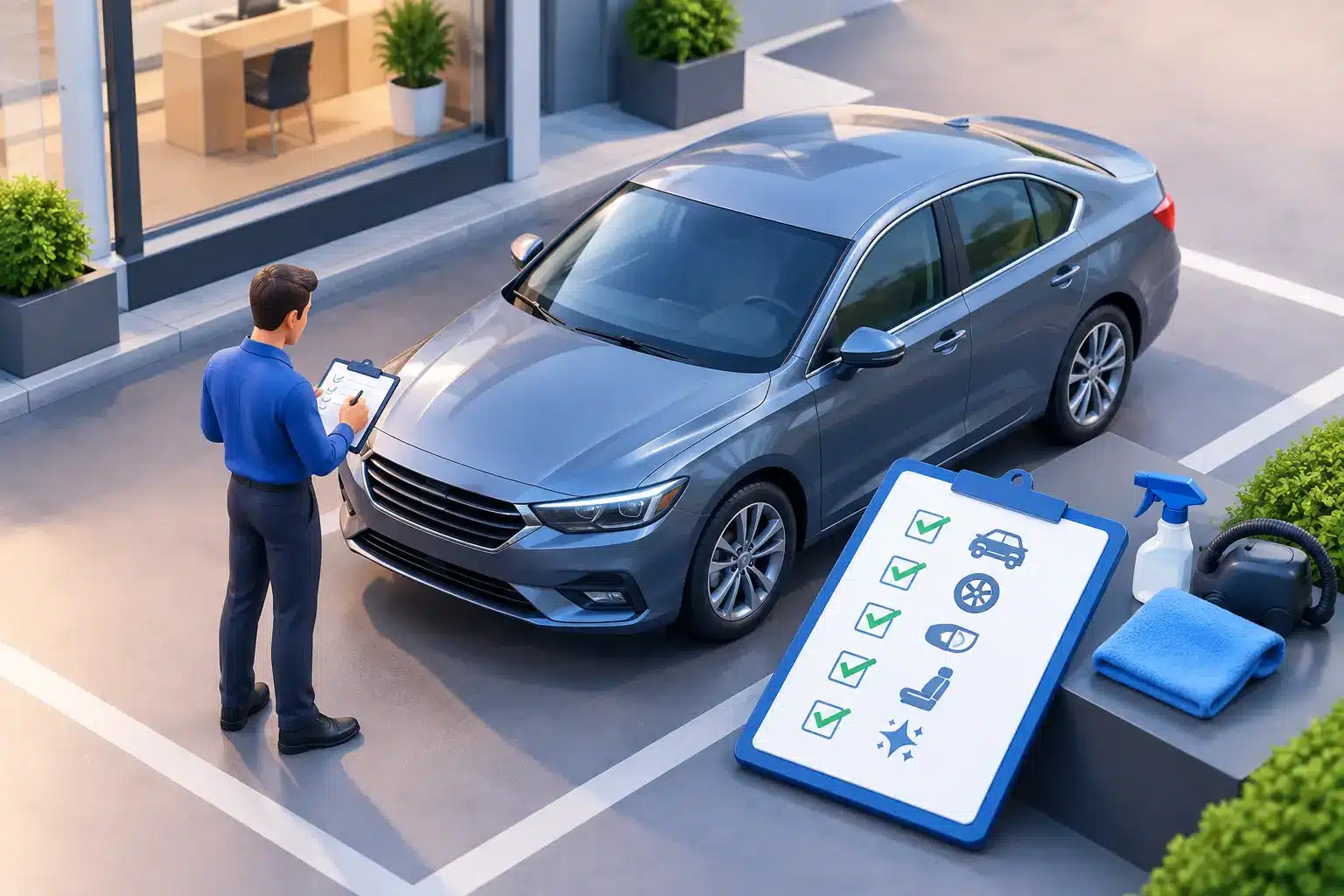
Choose a dry day or pull into a well-lit parking area. Walk slowly around the vehicle, then take clear photos from each side. Photograph the wheels, windshield, bumpers, roof, seats, dashboard, cargo area, and odometer. These photos are useful for your own records and help you see what needs attention.
Pay close attention to bumper scuffs, door dings, paint scratches, cracked trim, curb rash, windshield chips, and broken exterior lights. Look at the tires, too. Uneven tread wear can point to an alignment or suspension issue, while tires that are simply near the end of their life may need replacement based on your lease requirements.
Inside, check for stains, pet hair, sticky cup holders, odors, torn upholstery, damaged seat belts, missing floor mats, and marks on plastic door panels. Do not forget the trunk or cargo area. A spare tire compartment, under-floor storage space, and third-row seating can hold plenty of forgotten items.
Normal wear is often allowed, but it is not always easy to judge from your driveway. Light wear from regular use may be acceptable. Deep scratches, torn leather, heavy staining, strong smoke odors, or missing parts are more likely to create a charge. When you are unsure, use the pre-inspection report as your guide rather than assuming a problem will be overlooked.
Clean the Interior Beyond a Quick Vacuum
A fast vacuum is a good start, but lease-return cleaning needs more attention. Dirt that has settled into carpet fibers, salt residue from winter shoes, pet hair in seat seams, and spills under the seats can make an otherwise well-maintained car feel neglected.
Remove personal belongings first. Check the glove box, center console, door pockets, sun visor, seat-back pockets, cargo net, and every storage compartment. Take out phone mounts, toll transponders, roof-rack accessories, and any aftermarket items you plan to keep. Return the vehicle with the equipment that came with it, including floor mats, cargo covers, and charging cables for an electric or plug-in hybrid model.
Then clean surfaces in the right order. Vacuum floors, seats, and crevices before wiping the dashboard and console. Treat stains carefully instead of soaking fabric or using harsh products that can discolor leather, screens, or interior trim. Odors deserve real attention, especially if the vehicle has been used for pets, sports gear, rideshare work, or frequent food runs. Air freshener may cover a smell briefly, but it will not remove the source.
For a vehicle with visible staining, embedded pet hair, lingering odors, or heavily used carpets and seats, a professional interior detail can be a smart lease-end choice. It saves time, reaches the places a home vacuum misses, and leaves the cabin with the fresh, comfortable feel you want at handoff.
Give the Exterior a Careful, Honest Reset
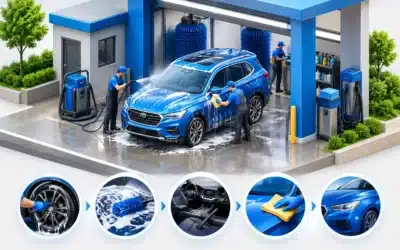
Road film, pollen, brake dust, and winter salt can hide the vehicle’s true condition. Start with a quality wash that cleans the paint, wheels, wheel wells, glass, and door jambs. Once the surface is clean, you can tell the difference between removable grime and actual paint damage.
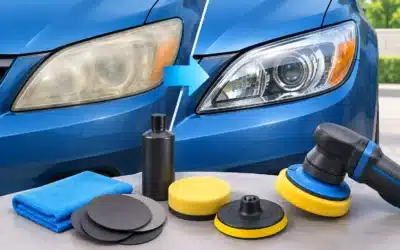
Do not try to hide serious scratches with a quick polish or use an aggressive product on a finish you are not familiar with. The wrong approach can make a small issue more noticeable. Professional detailing can help improve light surface marks, restore a dull finish, clean cloudy headlights, and bring the wheels back to a more cared-for appearance. It cannot erase every imperfection, and an honest assessment is better than a rushed cosmetic cover-up.
Wheel condition is especially worth checking. Curb marks are common around busy shopping centers, tight garages, and school drop-off lanes. Clean wheels make the damage easier to assess, while baked-on brake dust can make even undamaged wheels look rough. A detailed wash and wheel cleaning can improve the overall presentation without pretending normal use never happened.
Handle Repairs With the Numbers in Mind
Not every issue should be repaired before a lease return. The practical question is whether the repair cost is lower than the likely charge from the leasing company. Get an estimate for larger concerns such as a cracked windshield, major dent, damaged tire, broken mirror, or torn seat. Compare it with the pre-inspection report when possible.
Use reputable professionals and keep receipts. If you replace tires, make sure they meet the vehicle and lease requirements. If you repair body damage, choose work that matches the vehicle well rather than the cheapest option available. A poor repair can create a second problem during inspection.
Avoid removing factory equipment or returning the vehicle with warning lights on. Check that all exterior and interior lights work, the horn functions, and the dashboard is free of active warning indicators. If maintenance is due, ask your lease provider whether it must be completed before return. Small maintenance details can be easier to handle before the final appointment than after you have already turned in the keys.
Prepare Documents, Keys, and the Final Day
A clean vehicle is only part of a smooth return. Gather both key fobs, the owner’s manual, service records if you have them, wheel-lock keys, charging cords, and any accessories included at delivery. If you have a second set of floor mats or a cargo cover stored at home, bring it back.
After the final wash or detail, take one more set of date-stamped photos. Capture the exterior from multiple angles, the interior, wheels, windshield, odometer, fuel level, and any existing damage noted by the inspector. Keep your inspection report, return receipt, and all repair invoices together until your lease account is fully closed.
Plan Your Lease-Return Cleaning Around Your Schedule
For most drivers, the best time for a full clean is one to three days before the return appointment. That window keeps the vehicle fresh without leaving much time for another round of muddy shoes, snack crumbs, or rain-spotted windows. If you are trading the vehicle in at a dealership, confirm whether the lease return and new-vehicle pickup happen on the same day.
At Love My Car Carwash, a full-service wash, express detail, or more complete interior and exterior detail can be matched to the condition of your vehicle and the time you have before turn-in. The right choice depends on whether you need a clean refresh or deeper attention for stains, odors, wheels, and carpets.
Give yourself a little room before the deadline, and let the final clean be a feel-good finish to the miles you have shared with your vehicle. When your car looks good, you feel good – even when it is time to hand over the keys.