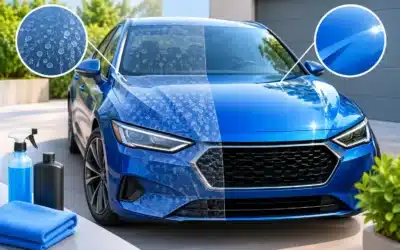
A clean car can look great for a day. Protected paint keeps looking great through a Maryland summer, a slushy winter commute, and every pollen-filled week in between. Knowing how to protect car paint comes down to removing damaging contamination safely, adding the right layer of protection, and staying consistent with the care your vehicle actually needs.
Paint protection is not only for brand-new luxury vehicles. Whether you drive a family SUV, work truck, rideshare vehicle, or daily commuter, your exterior faces the same culprits: sun, road salt, tree sap, bird droppings, brake dust, rain residue, and grit that can slowly dull the finish. A little regular attention helps your car hold its shine and can support its resale value down the road.
What Damages Your Car’s Paint?
Your vehicle’s clear coat is the transparent protective layer over the color. It is durable, but it is not invincible. Dirt and road grit act like fine sandpaper when rubbed across a dry surface. Bird droppings and bug splatter can be acidic, especially when they bake in the sun. Tree sap hardens, while industrial fallout and brake dust can cling to the paint and create rough spots.
Here in Montgomery County, seasonal conditions matter too. Winter road salt sticks to lower panels, wheel wells, and bumpers. Spring pollen coats every horizontal surface. Summer UV exposure can fade and oxidize neglected paint, while fall leaves release tannins that may stain when wet leaves sit too long.
The goal is not to keep a car in a garage forever. It is to avoid letting contaminants stay on the finish long enough to cause trouble.
How to Protect Car Paint With Regular Washing
The simplest habit is also one of the most effective: wash your vehicle regularly. For many daily drivers, every one to two weeks is a sensible rhythm. If you park under trees, drive frequently on treated winter roads, or put heavy mileage on your vehicle, it may need attention more often.
A proper wash removes the material that can scratch, stain, or slowly wear down the clear coat. The key word is proper. Wiping a dusty car with a dry towel may seem harmless, but it can drag abrasive particles across the paint and leave swirl marks. The same goes for using a rough household sponge or a dirty wash mitt.
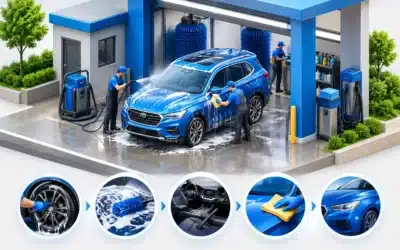
Choose a wash process that uses clean water, vehicle-safe soap, and soft materials. Pay close attention to the lower doors, rocker panels, front bumper, and rear hatch or trunk area, where grime collects. Wheels should be cleaned with tools used only for wheels, not the same mitt or towel used on painted panels.
For busy drivers, a recurring wash routine is often easier to maintain than waiting until the vehicle looks noticeably dirty. Regular care turns paint protection into a convenient stop during errands instead of a big weekend project. At Love My Car Carwash, a wash membership can make that rhythm easier while giving your vehicle consistent exterior care.
Drying Matters More Than It Seems
Water left to air-dry can leave mineral spots, especially after a hot day or a hard-water rinse. These spots are not always permanent, but repeated buildup can make the finish look cloudy and require more correction later.
After washing, use clean microfiber towels or a professional drying process that minimizes contact with the paint. Microfiber is soft, absorbent, and much safer than old bath towels, paper towels, or anything that has been sitting in the garage collecting dust.
Add Protection: Wax, Sealant, or Ceramic Coating?
A clean car is the starting point. The next step is applying a product that creates a protective barrier between the paint and the elements. The best choice depends on your budget, how long you plan to keep the car, where it is parked, and how much maintenance you want to handle.
Traditional car wax gives paint a warm, glossy look and adds water repellency. It is a good choice for drivers who enjoy refreshing their vehicle’s finish several times a year. Hand-applied wax can be especially rewarding on a well-kept vehicle because it boosts shine while offering a practical layer of protection. The trade-off is durability. Wax wears away over time, especially with frequent washing, hot weather, and harsh winter conditions.
Paint sealants are synthetic protectants designed to last longer than many waxes. They typically provide a crisp shine and strong water beading, making them a practical middle ground for daily drivers. A sealant may not have the same classic look some car enthusiasts prefer from wax, but it is often a smart choice for a vehicle that lives outdoors.
Ceramic coating is the longer-term option. When professionally prepared and applied, it forms a durable chemical bond with the vehicle’s clear coat. It can improve gloss, make washing easier, and help resist UV exposure, water spots, road grime, and light chemical contamination. It is not a force field, though. A ceramic-coated car can still be scratched, chipped by rocks, or damaged by neglected bird droppings.
The biggest benefit of ceramic coating is maintenance. Dirt tends to release more easily, and water beads away more readily. For owners who want to preserve a newer vehicle or reduce the effort of keeping a car looking sharp, it can be a worthwhile investment. Proper paint preparation is essential, so this is a service best handled by experienced detail professionals.
Deal With Contaminants Quickly
Some messes should not wait for your next scheduled wash. Bird droppings, bug splatter, tree sap, fuel spills, and fresh paint transfer deserve prompt attention. Keep a clean microfiber towel and a gentle detailing spray or rinseless wash product in your car if you park outside often.
Do not scrub aggressively. Soften the contamination first, then lift it away gently. Scrubbing hardened sap or dried droppings can create scratches that are more noticeable than the original mess.
If the paint feels rough after washing, it may have bonded contamination that normal soap cannot remove. A clay bar treatment can lift embedded particles and restore a smooth feel before wax, sealant, or ceramic protection is applied. Because clay can mar paint if used incorrectly, professional service is a smart option for many vehicle owners.
Seasonal Paint Protection for Maryland Drivers
Your paint protection plan should change slightly with the seasons. Before winter, make sure the vehicle has a fresh protective layer and keep salt from building up underneath and around the wheel wells. Even if the roads look dry, salt residue can linger for days after a storm.
In spring, wash pollen away instead of brushing it off dry. Pollen can be surprisingly abrasive, and a dry swipe across the hood can leave fine scratches. Spring is also a good time for a deeper exterior service if the paint feels rough after winter.
Summer calls for shade whenever possible. Parking in a garage, under a carport, or in a shaded space helps reduce UV stress and keeps contaminants from baking onto hot panels. If you cannot avoid sun exposure, regular washing and a quality protectant become even more valuable.
During fall, remove wet leaves and sap promptly. Leaves trapped near the windshield cowl, hood seams, or trunk edges hold moisture against the vehicle and make it easier for stains and grime to build up.
Everyday Habits That Keep Paint Looking Better
Paint protection is often lost through small habits rather than one major mistake. Avoid parking too close to sprinklers, which can leave mineral deposits on paint and glass. Give yourself room from other vehicles when possible to reduce door-ding risk. Be mindful of automatic gas station brushes, dusty towels, and DIY car washes with worn equipment.
If you use a car cover, only place it on a clean vehicle. A cover dragged over dusty paint can create fine scratches. The same caution applies to snow brushes in winter. Use a soft snow broom and avoid scraping ice across painted panels.
For drivers with high mileage, frequent exterior washes are not cosmetic indulgence. Rideshare, delivery, and commuter vehicles see more road grime, more parking lots, and more weather exposure. Keeping those vehicles clean protects the finish while making every passenger or client interaction feel better.
When a Detail Is the Better Choice
Routine washes protect your car, but they cannot fix every paint issue. If the finish looks dull, feels rough, has stubborn stains, or shows visible swirl marks, a professional detail may be the right next step. Detailers can safely decontaminate the paint, improve gloss, and apply protection suited to the vehicle’s condition.
Paint correction can reduce the appearance of light scratches and swirl marks, but expectations should stay realistic. Deep scratches that catch a fingernail may require touch-up paint or body repair. A professional can help you choose between a simple wax treatment, clay bar and wax service, paint correction, or ceramic coating without paying for more than your vehicle needs.
A protected finish makes every wash more rewarding, every drive more enjoyable, and every walk back to your car a little more of a feel-good experience. Start with the next wash, choose protection that fits your routine, and give your paint the care it works hard to earn.